 Emi Sato
I have cooked a Japanese breakfast in my tiny Tokyo kitchen for the past ten years. Not the Instagram version. The real one, with leftover rice, a half-used block of miso, and a child pulling at my sleeve. These are the Japanese breakfast ideas that survived the morning rush in my house.
What Is Ichiju-Sansai and Why It Matters
Ichiju-sansai means one soup, three dishes. That is the backbone of a traditional Japanese breakfast. Miso soup, rice, and three small plates (typically a protein, a vegetable, and a pickled item).
Here is the thing most guides online get wrong. Ichiju-sansai is not about variety. It is about balance. You can make it with one pot and three small bowls in under 25 minutes. I have done it on a Tuesday with a toddler on my hip.
The three dishes do not need to be fancy. A rolled omelet (tamagoyaki), a handful of spinach dressed with sesame, and a slice of grilled salmon. That is a complete Japanese breakfast. Rice and miso soup anchor it.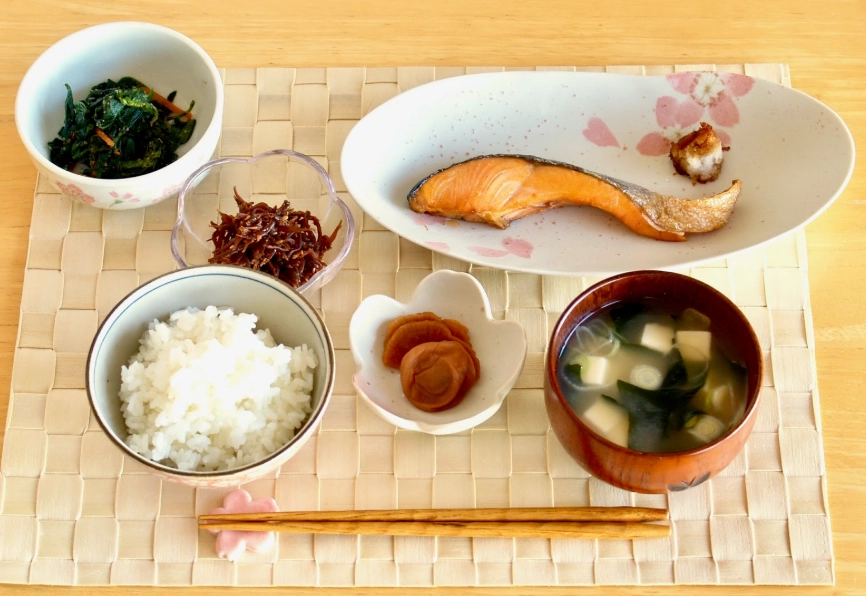
Quick Rice Bowls Under 15 Minutes
Weekdays in my house mean leftover rice from the night before. Here are three rice bowls I actually make on repeat.
1. Natto and Raw Egg Rice Bowl
Sound weird? It is the most common Japanese breakfast idea among office workers. I buy natto at any MAFF-registered grocery in Tokyo. One pack of natto, one raw egg, a splash of soy sauce, and hot rice. Mix vigorously. The texture takes getting used to. I hated it for two years. Now I crave it.
2. Tuna Mayo Rice Bowl
Yes, this is a real Japanese breakfast. Canned tuna, Japanese mayonnaise (Kewpie brand if you can find it), a pinch of salt, and rice. My son eats this three times a week. It takes 90 seconds.
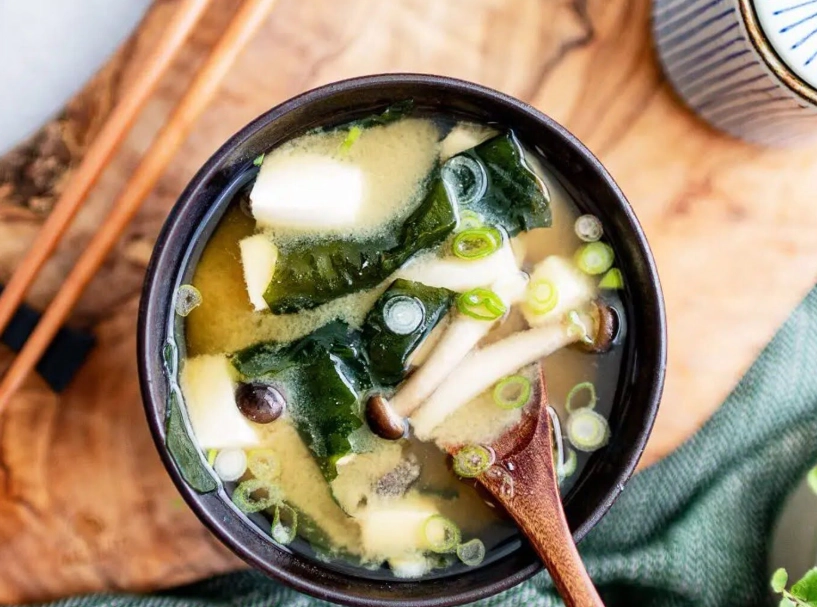
3. Miso Soup with Tofu and Green Onion
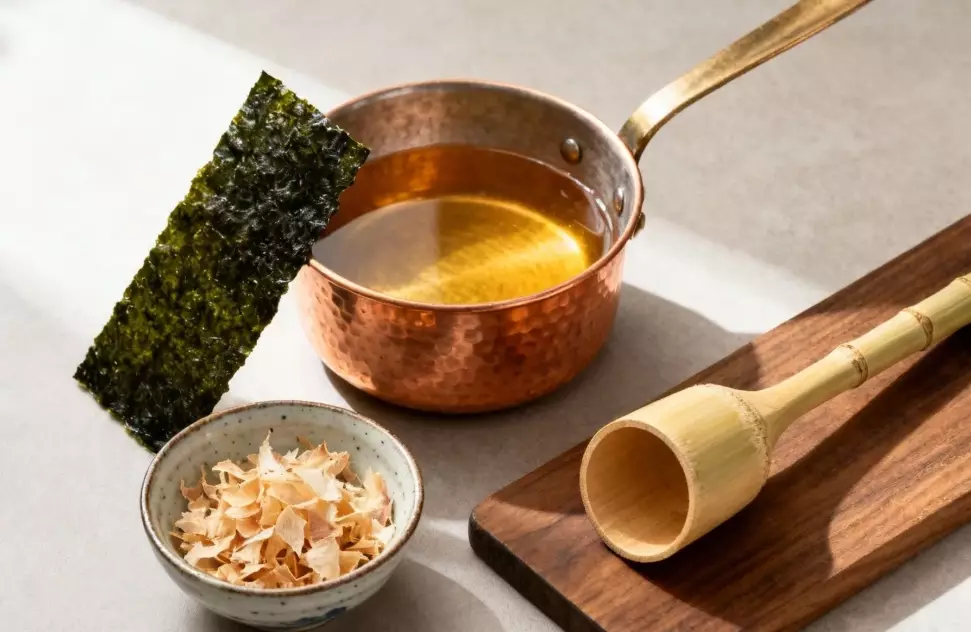
Not a rice bowl, but the soup that makes the bowl worth eating. I use 400ml of dashi (I cheat with dashi powder, and I am not sorry), one heaping tablespoon of red miso, half a block of silken tofu, and a handful of chopped green onion. Simmer the dashi, dissolve the miso off the heat, add tofu and onion. Done in 7 minutes.
The Full Traditional Set (Weekend Version)
This is what I serve on lazy Sunday mornings. It takes about 35 minutes, and most of it is waiting.
Grilled Salmon (Shioyaki)
Salt the salmon fillets for 15 minutes before grilling. This draws out moisture and firms up the flesh. I use a fish grill rack in my oven on the high broil setting. 8 minutes per side. A 150-gram fillet costs about 400 yen (roughly $2.70) at my local supermarket.
Tamagoyaki (Rolled Omelet)
Three eggs, 2 tablespoons of dashi, 1 teaspoon of sugar, a pinch of salt. I use a rectangular tamagoyaki pan, but a small nonstick skillet works fine. The trick is low heat and rolling while the egg is still slightly wet. This took me years to get right. Do not crank the heat.
Sesame Spinach
Blanch spinach for 30 seconds, shock in cold water, squeeze dry. Mix with ground sesame seeds, a splash of soy sauce, and a teaspoon of sugar. This is the dish my mother-in-law always makes. It takes 5 minutes, and it makes the whole table feel complete.
Make-Ahead Shortcuts That Actually Taste Good
I batch-cook three things every Sunday that save my mornings. None of them are complicated.
- Miso soup base: Dissolve 3 tablespoons of miso in 2 cups of dashi. Store in a jar in the fridge. Lasts 5 days. Just heat and add tofu.
- Tamagoyaki: Cook a full roll on Sunday, slice it, and keep it in a container. It reheats fine for 3 days. Yes, I know that is not traditional. It works.
- Pickled cucumbers: Slice two cucumbers, salt them for 10 minutes, squeeze out water, and mix with rice vinegar and a little sugar. Keeps for a week. This is the cheapest breakfast side you will ever make.
My Top 7 Japanese Breakfast Ideas Ranked
I ranked these by how often I actually make them, not by culinary prestige.
| Rank | Breakfast Idea | Time | Key Ingredient | Why I Make It |
|---|---|---|---|---|
| 1 | Natto and raw egg rice bowl | 3 min | Natto, egg, rice | Fastest protein hit, my default |
| 2 | Miso soup with tofu | 7 min | Miso, dashi powder | Warms me up, kids drink it |
| 3 | Tuna mayo rice bowl | 2 min | Canned tuna, Kewpie mayo | No cooking, kid-approved |
| 4 | Grilled salmon (shioyaki) | 20 min | Salmon, salt | Weekend anchor, high protein |
| 5 | Tamagoyaki | 10 min | Eggs, dashi | Looks impressive, tastes sweet |
| 6 | Sesame spinach | 5 min | Spinach, sesame | Only vegetable my son eats plain |
| 7 | Pickled cucumber side | 10 min (plus pickling) | Cucumber, rice vinegar | Cheapest side, lasts a week |
Common Mistakes That Ruin a Japanese Breakfast
I have made all of these. Learn from my mistakes.
Using the wrong rice
Short-grain Japanese rice is not optional. Long-grain rice does not stick together the same way, and your rice bowl will fall apart. I buy Koshihikari when it is on sale, but any short-grain variety works. Cook it with slightly less water than the package says for a firmer texture that holds up in soup.
Overcooking the miso soup
Miso loses its aroma when boiled. Dissolve it off the heat. I see recipes that say "simmer the miso" and I cringe every time. Turn off the burner, then stir it in.
Salting the salmon too early
If you salt salmon more than 30 minutes before cooking, it gets tough and dry. Salt it for 15 minutes, then pat it dry. That is the sweet spot I learned from a fishmonger at Tsukiji Outer Market in Tokyo. He told me, "Salt is a tool, not a coat." I think about that every time I grill salmon.
Making tamagoyaki on high heat
High heat makes the egg rubbery and browns the outside before the inside sets. Use medium-low heat and take your time. The first two attempts will look ugly. That is normal.
FAQ: Real Questions From Readers
This article was fact-checked against ingredient sourcing information from Japanese grocery suppliers and cooking techniques verified in my home kitchen in Tokyo.
Reader Comments