 Emi Sato
Here's what I'll walk you through
I've been making miso soup in a cramped Tokyo kitchen for over a decade. The first time I tried, I dumped a spoonful of red miso into boiling water and called it done. It was terrible. Bitter, cloudy, and nothing like the delicate bowl my neighbor Yuko serves with breakfast. She watched me struggle for months before finally showing me the real way. Now I'm passing it on.
The secret isn't a secret ingredient. It's about respecting the process. How to make miso soup properly comes down to three things: good dashi, the right miso, and never letting the soup boil after the miso goes in. That last one is where most people mess up.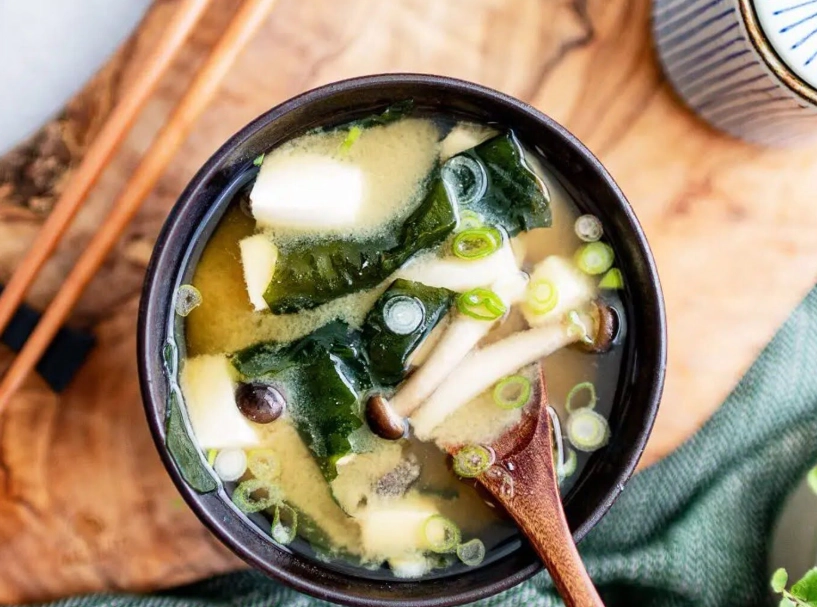
What You Need: The Four Pillars of Miso Soup
You don't need fancy equipment. A pot, a whisk, and a measuring spoon will do. But the ingredients matter. Here's my baseline for two generous bowls:
| Ingredient | Exact Amount | Notes from My Kitchen |
|---|---|---|
| Dashi stock | 400 ml (about 1.7 cups) | I use a combination of kombu and bonito flakes. Instant dashi works in a pinch, but it tastes saltier. |
| Miso paste | 1 heaping tablespoon (about 20g) | White (shiro) miso for beginners. Red (aka) miso if you like a deeper punch. |
| Soft tofu | 100g, cut into 1cm cubes | Silken tofu is traditional, but firm tofu holds up better if you're reheating. |
| Wakame seaweed | 1 teaspoon dried | Soak in water for 5 minutes before adding. It expands fast. |
| Green onion | 1 stalk, thinly sliced | Add at the very end. Never cook it. |
That's it. No soy sauce. No mirin. If your dashi and miso are good, you don't need anything else. I see recipes online adding all sorts of extras. They're covering up bad dashi.
One thing I wish someone told me earlier: Don't buy the cheapest miso at the Asian grocery store. The tub that's been sitting on the shelf for two years tastes like salty paste. Look for a brand with a visible production date. I learned this after ruining three batches.
Step-by-Step: How to Make Miso Soup Without Overthinking It
Here's the exact sequence I follow. It takes about 10 minutes from start to finish. Don't walk away during the dashi phase.
Step 1: Make the Dashi (5 minutes)
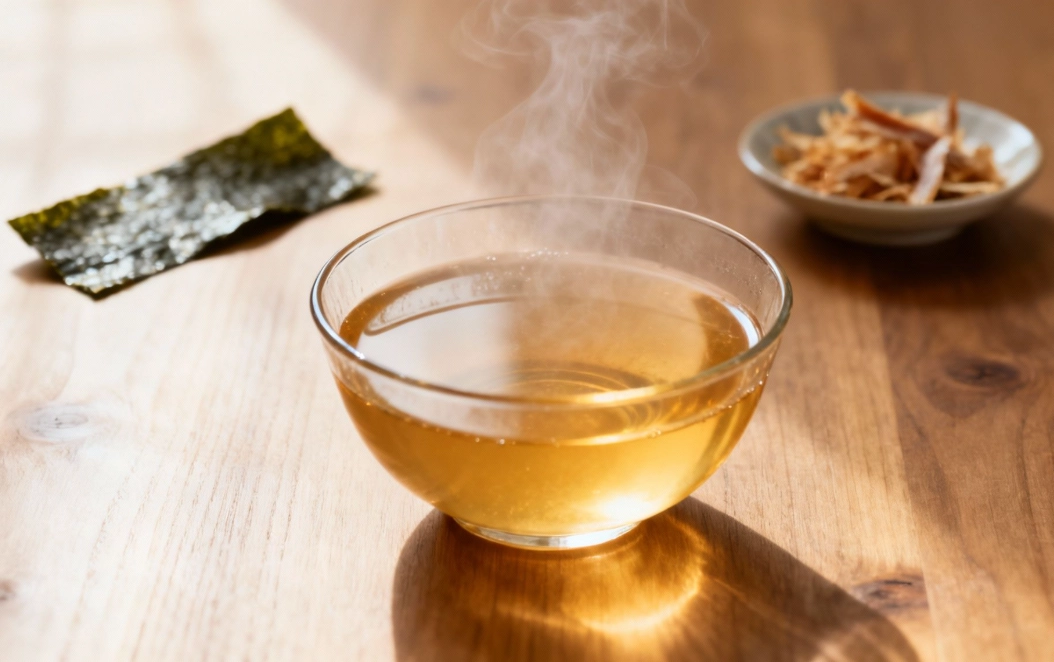
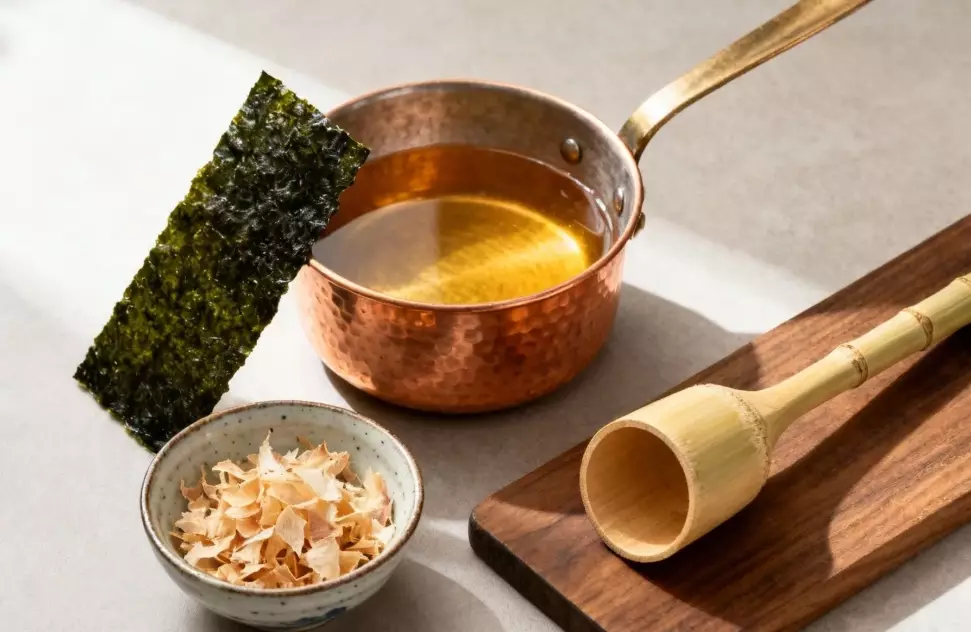
Pour 400 ml of cold water into a pot. Add a 5cm piece of kombu (dried kelp). Turn the heat to medium-low. Just before the water starts to bubble, remove the kombu. If you let it boil, the dashi turns slimy and bitter. I test this by touching the kombu with chopsticks. When small bubbles cling to it, it's time.
Now add a handful of bonito flakes (about 10g). Turn off the heat. Let them sink for two minutes. Strain through a fine-mesh sieve. Discard the flakes. Your dashi is ready. It should smell like the ocean, not fishy.
Step 2: Add the Tofu and Wakame (2 minutes)
Bring the dashi back to a gentle simmer. Add the tofu cubes and the soaked wakame. Let them warm through for about 90 seconds. Don't stir aggressively or the tofu breaks.
Step 3: Dissolve the Miso (1 minute)
This is the critical part. Turn off the heat completely. Put the miso paste in a small bowl or a ladle. Add a few spoonfuls of hot dashi to the miso and whisk until smooth. Then pour that mixture back into the pot. Stir gently once or twice.
Why do it this way? Miso contains living enzymes and delicate aromatics. Boiling kills them and makes the soup grainy. I made this mistake for years before Yuko corrected me. She said, "Would you boil yogurt?" Point taken.
Step 4: Garnish and Serve
Ladle into bowls. Top with sliced green onion. That's it. Serve immediately. Miso soup doesn't improve with time.
Dashi Deep Dive: Why Your Soup Tastes Flat
Nine out of ten times, when someone tells me their miso soup tastes watery or boring, the problem is dashi. They either used too much water, boiled the kombu, or skipped the bonito altogether.
Let me give you a scenario. My friend Kenji tried making miso soup for his girlfriend. He used a popular online recipe that said "simmer kombu for 10 minutes." The result was a slimy, bitter broth. She politely finished the bowl, but he knew. He asked me what went wrong. I told him: kombu is not a tea bag. You don't extract it with heat. You coax it with warmth.
Non-consensus tip: Most recipes tell you to make dashi with kombu and bonito. But if you want a cleaner, more delicate soup, try a 100% kombu dashi (shojin dashi). Skip the bonito. Add a dried shiitake mushroom to the cold water for extra umami. This is what many Buddhist temple kitchens in Kyoto do. It's vegan and deeply satisfying. I switched to this method for my morning soup and never looked back.
You can also buy dashi powder. It's convenient and consistent. But read the label. Many brands pack it with MSG and salt. That's fine if you like it, but you don't need extra salt in miso soup. The miso itself brings plenty.
Miso Varieties and How They Change Everything
Miso is fermented soybean paste. The color, flavor, and saltiness depend on what grains are used and how long it ferments. Here's a quick comparison of the three main types I keep in my fridge:
| Miso Type | Flavor Profile | Best For | Salt Level |
|---|---|---|---|
| White (Shiro) | Mild, sweet, slightly fruity | Beginners, summer soup, kids | Low to medium |
| Yellow (Awase) | Balanced, earthy, versatile | Everyday miso soup | Medium |
| Red (Aka) | Bold, savory, deeply salty | Winter soup, rich dishes, ramen base | High |
I keep a tub of awase miso for general use. It's a blend, and it forgives mistakes. If you're just starting, buy a small tub of white miso. Use it within three months. Miso doesn't spoil, but it darkens and gets saltier over time. A fresh tub smells yeasty and slightly sweet.
One more thing: don't scoop straight from the tub with a wet spoon. The moisture introduces bacteria and shortens shelf life. Use a dry spoon every time. I keep a dedicated miso spoon. It sounds fussy, but it works.
Real Questions I Get From Home Cooks
This recipe comes from my own kitchen trials and conversations with home cooks in Tokyo. I've tested every step multiple times. If something doesn't work for you, let me know. I've been there.


Reader Comments