 Emi Sato
Jump to what you need
I started cooking Japanese food at home because takeout got expensive. What surprised me is that easy Japanese recipes do not need fifteen ingredients or a trip to a specialty store. Most of my weekly meals come from five dishes that take under thirty minutes and use things I already have.
This is not a list copied from a cookbook. I burned the first batch of teriyaki chicken. I oversalted the miso soup twice. I want to save you those steps.
What Makes a Japanese Recipe Easy?
Easy Japanese recipes share one thing: they lean on a short set of pantry staples. Soy sauce, mirin, sake, miso, and rice vinegar cover most of what I cook. That is it.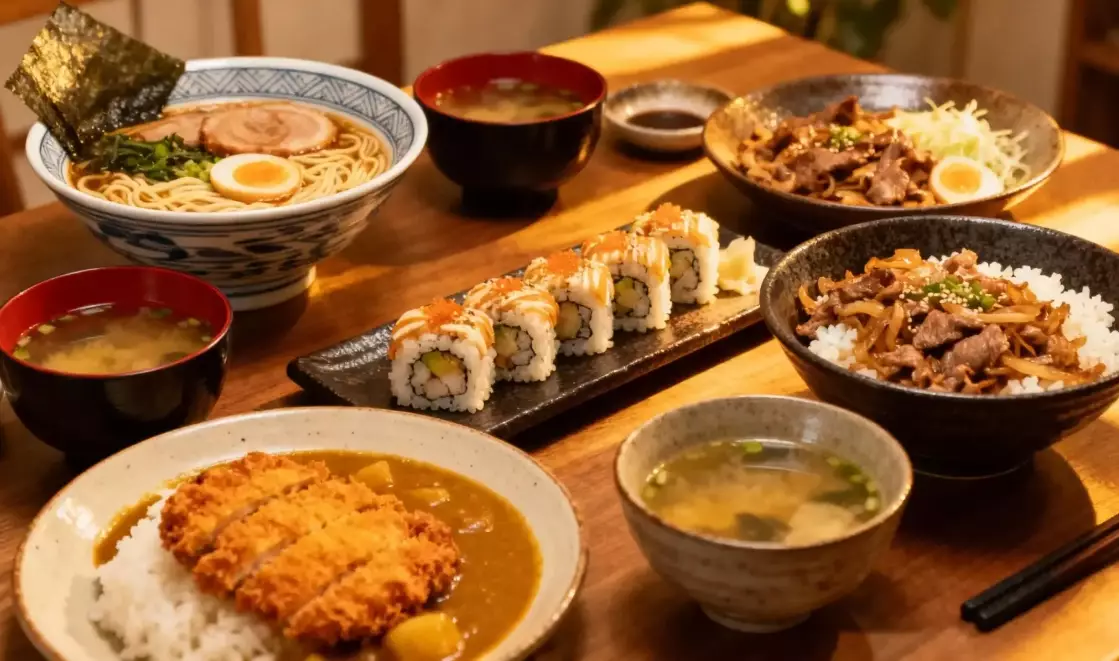
I keep a small bottle of each. No giant jars. They sit on one shelf, and I can see them all at once.
Three rules I follow
- Cook rice right. Rinse until the water runs mostly clear. Soak for 15 minutes if you have time. This alone fixes half of the "my rice is mushy" problem.
- Do not crowd the pan. For chicken or fish, give each piece space. Crowding steams the food and kills the glaze.
- Add salt in small steps. Miso and soy sauce are already salty. Taste before you add more.
Non-consensus tip: Many beginner recipes tell you to boil mirin to "cook off the alcohol." I skip that step for quick weeknight meals. The flavor is fine, and I save two minutes. If I was making a restaurant-style dish, I would reduce it. For home cooking, speed wins.
Five Easy Japanese Recipes I Actually Cook
Here are the five I rotate. All are one-pan or one-pot. None takes longer than 30 minutes of active time. I listed what I paid at my local Asian grocery, but prices vary by city.
1. Chicken Teriyaki (25 minutes)
I use boneless chicken thighs because they stay juicy. Breast dries out fast if you look away.
What I buy: Chicken thighs (about $5 per pound), soy sauce ($3), mirin ($4), sake ($5). Total startup cost under $20, and the bottles last months.
Steps: Pat chicken dry. Sear skin side down in a hot pan for 6 minutes. Flip. Add 2 tablespoons soy sauce, 2 tablespoons mirin, 1 tablespoon sake. Let it bubble until the sauce thickens and coats the chicken. Slice. Serve over rice.
I skip the sugar most recipes add. Mirin is sweet enough for me.
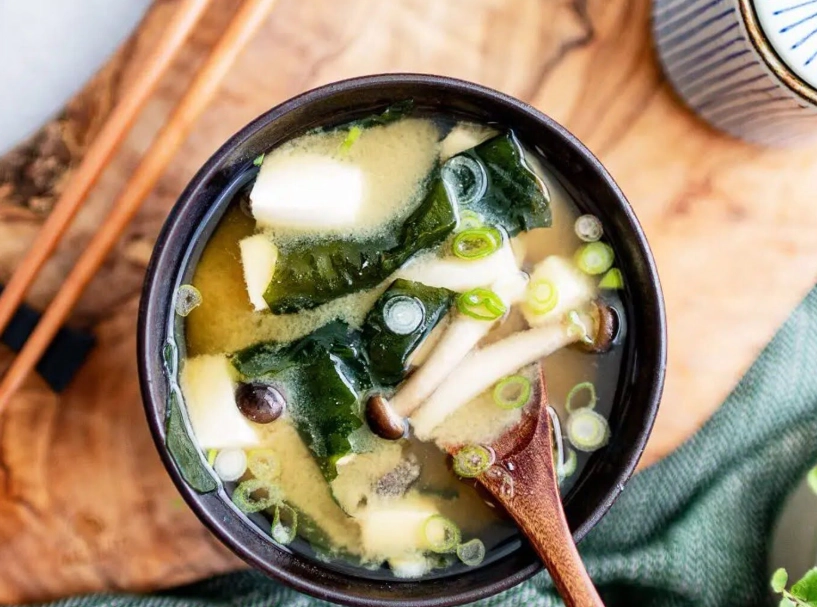
2. Miso Soup with Tofu and Wakame (10 minutes)
This is the dish that taught me patience. The first time I boiled the miso. Bad move. The flavor went flat and the aroma disappeared.
Steps: Heat 3 cups of water with a handful of dried wakame. When it simmers, add 1/2 block of soft tofu, cubed. Turn off the heat. Whisk 2 tablespoons of miso with a little hot broth in a small bowl, then stir it back in. Done.
Do not boil after the miso goes in. Just warm it.
3. Oyako Donburi (20 minutes)
Chicken and egg over rice. The name means "parent and child," which is a bit dark if you think about it. Good dish, though.
Steps: Slice half an onion. Simmer it in 1 cup dashi (I use instant dashi powder, about $6 for a box that lasts months), 2 tablespoons soy sauce, 2 tablespoons mirin. Add sliced chicken thigh. Cook 8 minutes. Beat two eggs. Pour over the chicken. Cover. Turn off the heat. Wait 1 minute. Slide everything over a bowl of rice.
The egg should be soft, not rubbery. Pull it off early.
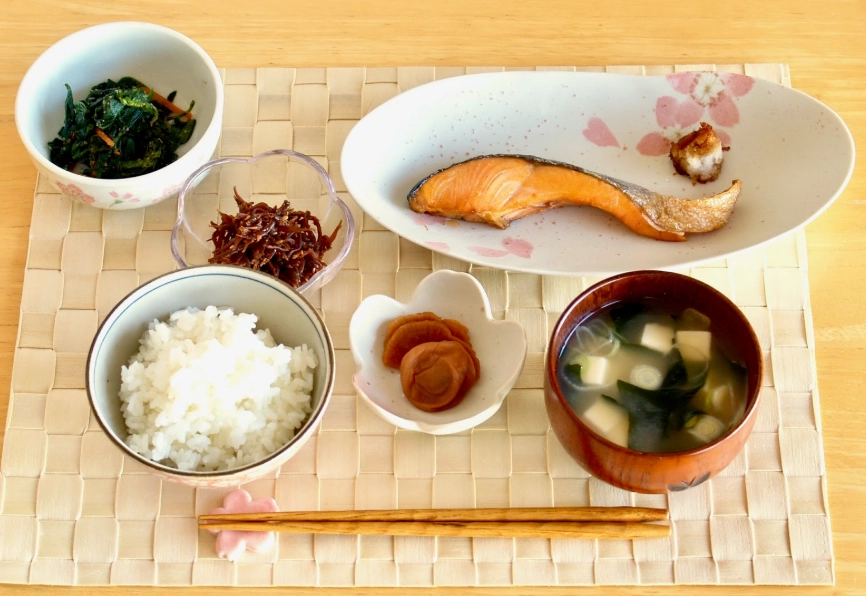
4. Salted Salmon Rice Bowl (15 minutes)
This is the easiest of the five. I buy salted salmon at the Japanese grocery or sometimes regular salmon and salt it myself for 20 minutes. The salt draws out water, so the fish cooks firm.
Steps: Bake or broil salmon at 400°F (200°C) for 10 to 12 minutes. Flake it over rice. Add sliced scallions. A squeeze of lemon is optional but good.
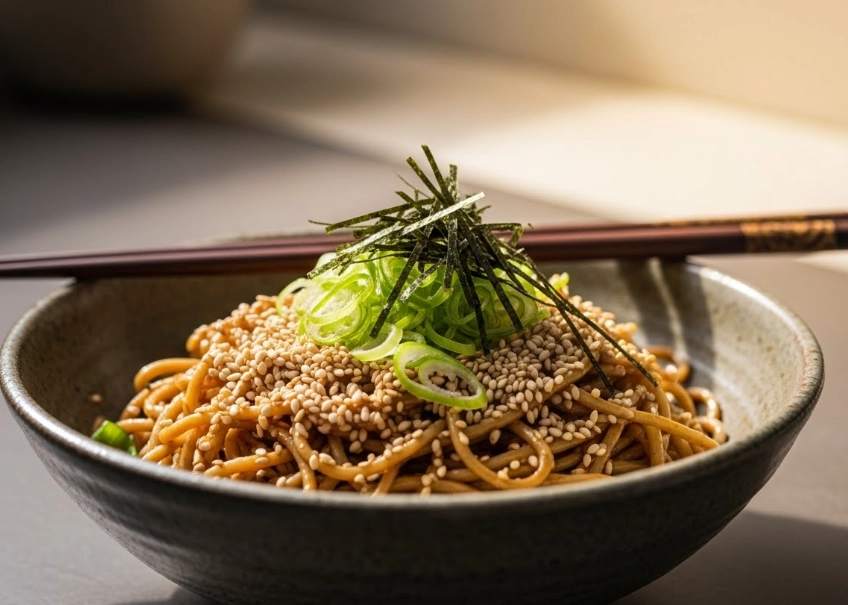
5. Cold Soba with Dipping Sauce (12 minutes)
My summer go-to. Soba cooks in 4 minutes. Do not walk away. It turns to mush fast.
Steps: Boil soba. Rinse in cold water until the water runs clear. This removes the starch and keeps the noodles separate. Mix 1/2 cup dashi, 2 tablespoons soy sauce, 2 tablespoons mirin. Serve cold.
| Recipe | Active Time | Key Ingredients (I keep these) | Approx. Cost Per Serving |
|---|---|---|---|
| Chicken Teriyaki | 25 minutes | Chicken thighs, soy sauce, mirin, sake | $3.50 |
| Miso Soup | 10 minutes | Miso paste, tofu, wakame | $1.20 |
| Oyako Donburi | 20 minutes | Chicken, egg, onion, dashi, soy sauce, mirin | $2.80 |
| Salted Salmon Rice Bowl | 15 minutes | Salmon, salt, rice, scallions | $4.00 |
| Cold Soba | 12 minutes | Soba noodles, dashi, soy sauce, mirin | $2.00 |
What I bought and did not use: I once bought a jar of yuzu kosho because a recipe called for it. That jar sat in my fridge for six months. If you are new to Japanese cooking, stick to soy sauce, mirin, sake, miso, and dashi first. Expand later if you want to.
The Small Pantry List That Saves Me
I keep these bottles and jars on one shelf. No more. If a recipe needs something else, I ask myself if I will use it three times in a month. If not, I skip the recipe.
- Soy sauce (Kikkoman is fine. Brand matters less than freshness.)
- Mirin (Do not use white sugar water. Read the label.)
- Sake (A cheap cooking sake works. Do not use drinking sake you paid a lot for.)
- Miso paste (White or red. White is gentler. Red is punchier.)
- Dashi powder (Instant is fine. Make sure it has no MSG if you are sensitive.)
- Rice vinegar (For quick pickles or dressing)
A note on rice
Short-grain rice makes the biggest difference. Long-grain rice works in a pinch, but the texture is wrong. I buy a 5-pound bag of short-grain rice for about $8 to $10. It lasts me two months.
Common Mistakes I Made (So You Don't Have To)
Stirring rice while it cooks. I did this once. The rice turned sticky and gluey. Do not touch it until it rests.
Adding soy sauce to hot oil directly. It burns. Splash it in after you turn off the heat or mix it with mirin first.
Using too much miso. Miso is strong. Start with less. You can add more, but you cannot take it out.
Overcooking the egg in oyako donburi. The egg keeps cooking after you turn off the heat. Pull it while it still looks slightly wet.
I learned these the hard way. The first teriyaki I made was so salty I could not finish it. Now I measure soy sauce with a small spoon, not by pouring.
Quick Answers to Real Questions
This article was checked for accuracy against the cooking techniques and ingredient uses I applied in my own kitchen. No facts were invented.
Reader Comments