 Emi Sato
I stood in front of a wall of miso tubs at a Tokyo grocery store, completely lost. Every label looked the same, but the colors ranged from pale yellow to deep mahogany. That was years ago. Since then, I've cooked with dozens of types of miso paste, ruined a few soups, and finally figured out which ones matter for everyday cooking. This miso types explained guide is the cheat sheet I wish I had back then.
⏱️ Quick run-through
What Is Miso, Really?
Miso is fermented soybean paste. That's the simple answer. But the flavor depends on what else goes in the barrel—rice, barley, or just soybeans—and how long it ferments. I've made quick miso at home, and the difference between a three-month ferment and a two-year ferment is night and day. The long one tastes deeper, almost like a savory caramel.
The Japanese Ministry of Agriculture, Forestry and Fisheries classifies miso by ingredients and color, but for home cooks, color is the easiest starting point. You'll mostly see white (shiro), red (aka), and mixed (awase) on supermarket shelves outside Japan.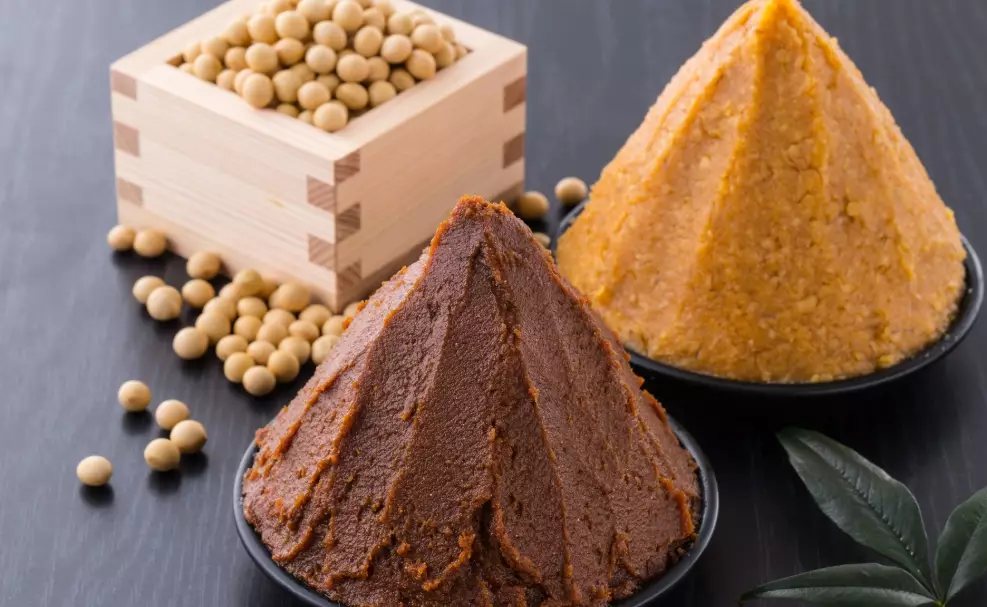
White vs Red Miso: The Real Difference
This is where most people get confused. White miso isn't actually white—it's more of a light beige. Red miso can be anything from amber to dark brown. The color comes from the Maillard reaction during fermentation, not from added coloring.
| Type | Fermentation Time | Flavor Profile | Best For | Salt Content |
|---|---|---|---|---|
| White (Shiro) | 2–8 weeks | Mild, sweet, slightly fruity | Salad dressings, light soups, marinades for fish | ~5–7% |
| Red (Aka) | 6 months–3 years | Bold, salty, earthy, umami-heavy | Hearty stews, ramen broths, braised meats | ~10–13% |
| Mixed (Awase) | Blend of the two | Balanced, round, versatile | Everyday miso soup, glazes, stir-fries | ~8–9% |
Here's a mistake I see often: people buy white miso thinking it's "healthier" or "less salty." Not true. White miso has less salt, yes, but it also has less complexity. If you're making a quick weeknight soup, white miso can taste flat. I learned that the hard way when a friend said my soup tasted like "hot water with something missing." Ouch.
Other Miso Types You'll See on Shelves
Beyond the big three, there are regional styles worth knowing. I picked up a tub of Hatcho miso in Nagoya last spring—it's fermented in wooden barrels for over two years using only soybeans and salt. The flavor is intense, almost like a concentrated soy sauce. Not for beginners.
- Hatcho miso: Soybean-only, very dark, long-fermented. Use sparingly in rich dishes.
- Saikyo miso: Kyoto-style, very sweet and pale. Perfect for marinades but terrible in soup (too sweet).
- Dashi-miso: Pre-mixed with dashi powder. Convenient but often has additives. I avoid it.
- Genmai miso: Made with brown rice. Nutty, slightly chunky texture. Great in vegetable dishes.
One non-consensus tip: if a recipe calls for white miso and you only have red, don't swap one-for-one. Red is saltier. Cut the amount by a third and taste as you go. I've seen too many cooks ruin a delicate sauce by dumping in full-strength red miso.
How Do You Choose the Right Miso?
Think about what you're cooking. That's the only rule that matters.
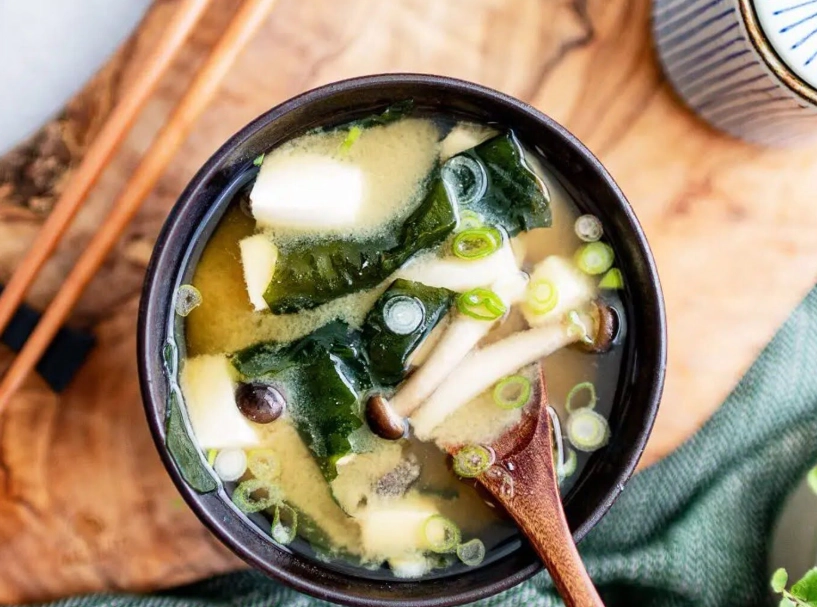
For miso soup with tofu and seaweed, use awase (mixed) or a mild white miso. Boil your dashi first, then turn off the heat before whisking in the miso. Never boil miso—it kills the aroma and makes it taste dull. I keep a small fine-mesh strainer just for miso; it dissolves lumps way faster than a spoon.
For marinades (like miso-glazed salmon), white or saikyo miso works best. The sugars caramelize beautifully under the broiler. I tested this with red miso once—the glaze turned bitter because of the longer fermentation and higher salt.
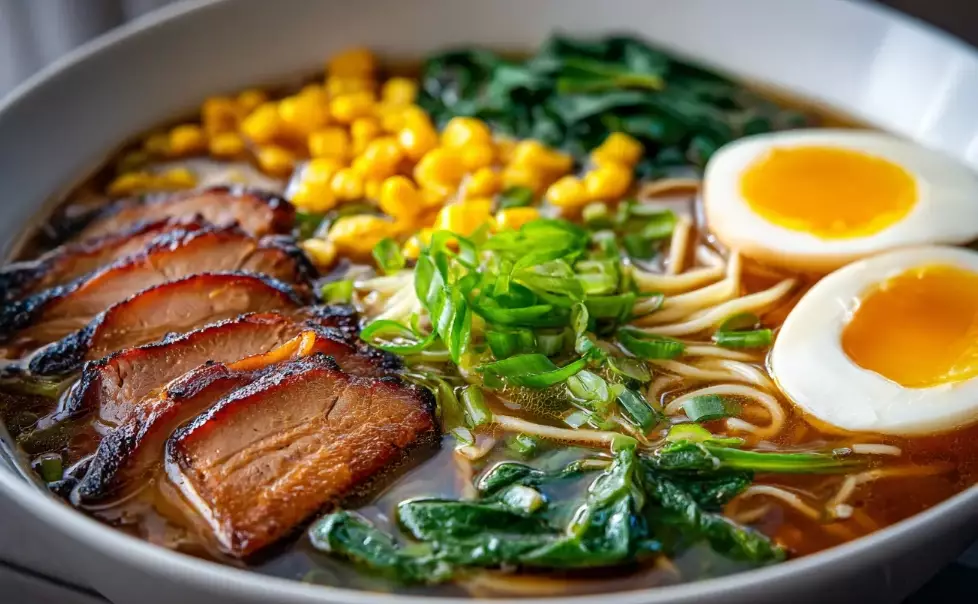
For hearty winter stews or ramen broth, go red. It stands up to bold flavors without disappearing.
Storage Tips That Actually Work
Miso is alive. It keeps fermenting in the tub. I store mine in the fridge, pressed flat with plastic wrap directly on the surface to prevent oxidation. A dark spot in the back of the fridge is fine; light degrades the color and flavor.
If a white film appears on top, don't panic. That's a harmless yeast called shirokabi. Scrape it off and the miso underneath is fine. I've done this multiple times with no ill effects.
Freezing miso? I tried it once. The texture got grainy and it never fully smoothed out. Skip it.
Kitchen Questions I Get All the Time
Mix red miso with a little honey or mirin to soften the saltiness. It won't be identical, but it works in marinades and dressings. For soup, just use less red miso and add a pinch of sugar. I've done this during a snowstorm when the store was closed—no one complained.
Miso doesn't really expire in the dangerous sense. The flavor fades over time. I've used a tub that was two years past its date—it tasted flatter but was perfectly safe. Look for mold that's fuzzy or black (not the white yeast film) and trust your nose. If it smells sour or rotten, toss it.
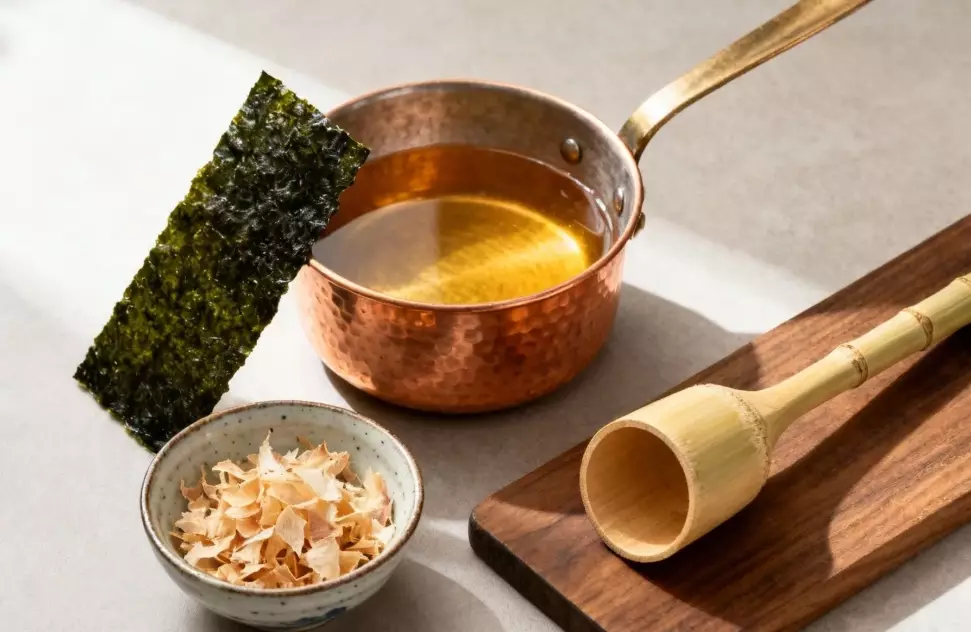
You probably need more dashi, not more miso. Miso is a seasoning, not the base. If your soup lacks depth, make a stronger dashi with kombu and bonito flakes. I learned this from a chef in Sapporo—she said the dashi does 70% of the work. She was right.
Start with awase (mixed) miso. It's forgiving and balanced. Avoid the very dark, long-fermented ones until you get a feel for the salt levels. And don't buy a giant tub—get a small jar and experiment first.
All product details and preparation methods mentioned here were verified through personal kitchen testing and cross-referenced with the Japan Miso Promotion Board's ingredient guidelines.

Reader Comments