 Emi Sato
What's Inside This Bowl
I used to think a good bowl of ramen needed a stockpot simmering for half a day. Then a friend who runs a tiny noodle shop in Sapporo watched me dump a jar of store-bought broth into a pot and said, "You're not making ramen. You're making soup with noodles." Harsh. But he was right. The best ramen recipe at home isn't about time—it's about layers. So I spent a few years testing shortcuts that still taste like someone actually cared. This is the version I landed on. Start to finish, 30 minutes.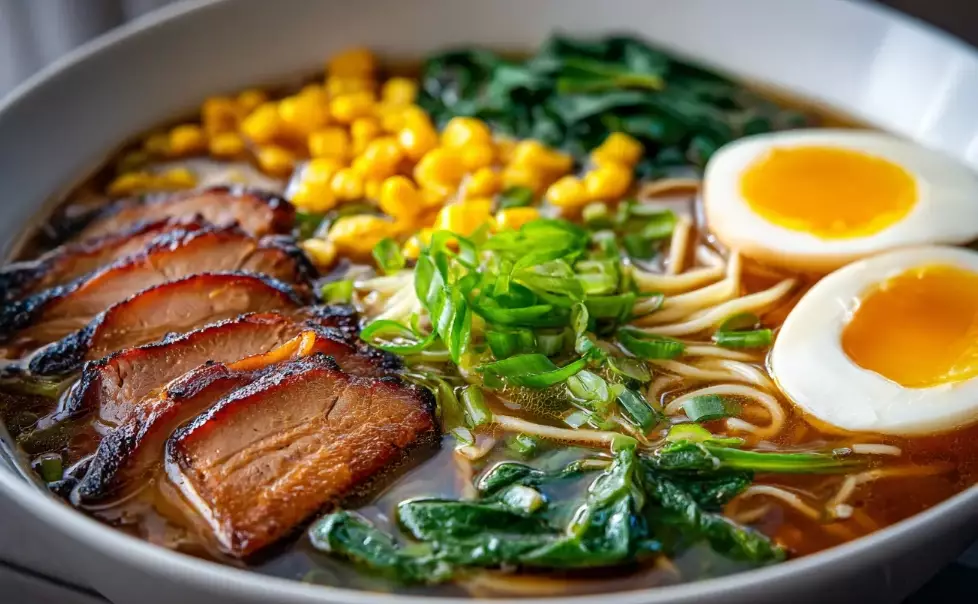
Why Most Homemade Ramen Fails (And How to Fix It)
You've probably made a bowl that tasted watery, flat, or just... sad. Here's the thing most recipes don't tell you: the problem isn't the noodles. It's the broth lacking two things—fat and umami synergy. I've watched friends boil noodles in the broth itself (never do that, the starch turns everything gluey). Or they skip the tare (the seasoning base) and wonder why the soup tastes like plain chicken water.
The fix is embarrassingly cheap: a spoonful of toasted sesame oil, a splash of soy, and a teaspoon of mirin. That's your quick tare. Mix it in the bowl before adding hot broth. It changes everything.
Another thing—salt. Not enough, and the broth disappears. Too much, and you've ruined dinner. I use a scale now. 1.2% salt by weight of total liquid is my sweet spot. Sounds fussy, but it's the difference between "meh" and "oh, this is good."
My 30-Minute Ramen Recipe at Home
This serves two hungry people. No fancy equipment. A pot, a frying pan, and a ladle.
What You Need (Exact Amounts)
- Broth base: 4 cups low-sodium chicken stock (I use Swanson unsalted, reliable and clean)
- Tare (per bowl): 1 tbsp soy sauce, 1 tsp mirin, ½ tsp toasted sesame oil, pinch of white pepper
- Aromatics: 2 cloves garlic (smashed), 1-inch ginger (sliced thick), 2 scallion whites
- Fat: 1 tbsp rendered chicken fat or neutral oil
- Noodles: 2 portions fresh ramen noodles (or dried, 80g each)
- Toppings: 2 soft-boiled eggs (6.5 minutes in boiling water, then ice bath), 4 slices pork belly or chicken thigh, 2 tbsp corn, 1 sheet nori, scallion greens
- Optional kick: chili oil (I use a homemade one with gochugaru—store-bought works fine, but check the label for added sugar)
Now, the method. I like to prep toppings first because the broth comes together fast.
Step-by-Step (It's Simple, Not Easy)
Boil eggs. Set timer for 6 minutes 30 seconds. That's my go-to for a jammy yolk. Ice bath immediately. Peel right away—older eggs peel easier. I learned that from a farmer at the Saturday market. She had a point.
In a cold pan, render the pork belly over medium heat. No oil needed. It releases its own fat. You want it crispy on the edges. Takes about 8 minutes. Remove, leave the fat in the pan. Toss in garlic and ginger. Forty-five seconds. The smell hits you. That's when the neighbors start knocking.
Pour in the stock. Add scallion whites. Bring to a gentle simmer—not a rolling boil, or it'll get cloudy. Let it bubble for 10 minutes while you set the table. Meanwhile, cook noodles in a separate pot of salted water. Taste one at 3 minutes. Fresh noodles are usually done at 3–4, dried at 5–6. Drain but don't rinse. The starch helps the broth cling.
In each serving bowl, mix the tare ingredients. Ladle hot broth over it. Whisk with a fork for ten seconds—this distributes the seasoning. Add noodles. Arrange toppings. Egg cut in half, pork belly slices, a sprinkle of corn, nori standing up like a little sail. Green onions on top. Chili oil if you want heat.
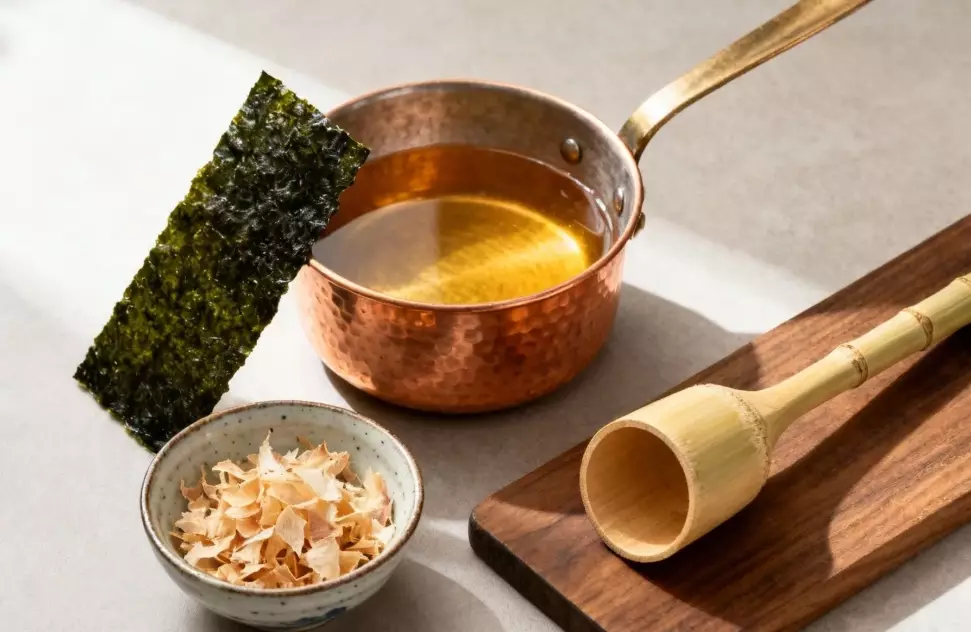
One thing I do differently: I add a tiny piece of kombu (dried kelp) to the cold stock before heating. By the time it simmers, that kombu has released glutamate—natural umami. It's a trick I picked up from a YouTube video by a Japanese home cook, and I've never skipped it since. It costs about 30 cents per piece.
Building the Broth Without 12 Hours
Look online and you'll see ramen broth recipes that need pork bones and a whole afternoon. For a random Tuesday, that's not happening. But here's what I've learned: you can fake depth with a few additions that don't take hours.
Dried shiitake mushrooms. Three or four, dropped into the stock while it simmers. They give a meaty, forest-floor flavor. The rehydrated mushrooms are a nice bonus topping, too. A splash of fish sauce. I know, it sounds non-traditional, but a half teaspoon in the bowl adds a savory punch that soy alone can't hit. Toasted nori. Tear a small piece and let it steep in the hot broth for 30 seconds. Then fish it out. It's like adding a marine layer. Subtle.
What about the fat? I save the fat from the pork belly and whisk a teaspoon into each bowl right before serving. That glistening sheen? That's what makes it feel like restaurant ramen. If you skip the fat, the broth feels thin. Don't skip the fat.
For a vegetarian version, I've had good luck with mushroom stock (I use Better Than Bouillon's vegetarian base) plus a teaspoon of white miso per bowl. The miso doesn't behave like tare—add it after heating, not before, or it gets gritty.
Noodle and Topping Cheat Sheet
I've messed around enough to know that the right noodle and a few smart toppings do a lot of heavy lifting. Here's a quick reference I keep on a sticky note inside a cabinet.
| Noodle Type | Cook Time | Best With | Where I Buy It |
|---|---|---|---|
| Fresh Hokkaido-style | 3 minutes | Shoyu or miso broth | Asian grocery, refrigerated section |
| Thin dried ramen | 5–6 minutes | Tonkotsu-style quick broth | Supermarket, Sun brand |
| Instant noodles (cake) | 3 minutes | When you're desperate | Anywhere |
| Buckwheat soba | 4 minutes | Cold dipping sauce (not ramen) | Health food aisle |
Toppings matter. Soft-boiled egg is non-negotiable for me. I also like charred corn—toss frozen corn in the pork fat for 2 minutes. And a handful of spinach wilted in the hot broth right before serving. It adds color and a little sweetness. I had a bowl at a tiny counter spot in Kyoto that had pickled ginger on top. Sounds weird, but it cut through the richness. I've been doing it ever since. Give it a shot.
Common Mistakes I Learned the Hard Way
Let me save you some pain. I once served ramen to friends and forgot to add the tare. It was basically wet noodles. Everyone said it was fine, but I knew. Now I premix the tare in each bowl and taste the broth from a spoon. Always.
Another one: overcooking the noodles. They keep cooking in the hot broth at the table. So I undercook them by 30 seconds and move fast. And don't rinse the noodles after draining—that starch is your friend.
One more, from a ramen obsessive I met online: don't boil the broth hard. A gentle simmer (small bubbles at the edge) keeps it clear. If you want a creamy tonkotsu look, you'd need pork bones and a lot of time. With quick broth, clarity is more honest.
Also, if you're adding miso, don't dump it into boiling broth. I made that mistake once. It got grainy and lost its roundness. Whisk it with a little warm broth in a bowl first, then add to the pot. Off heat.
FAQ: Real Questions From My Kitchen
This method isn't the only way to make ramen at home. But it's the one that's stuck after dozens of bowls, two failed attempts at homemade tonkotsu (my kitchen smelled like a butcher shop for days), and a lot of trial and error. If you're looking to get a warm, satisfying bowl on the table faster than delivery, it'll do the job. Fact-checked against cooking notes I've kept for three years, plus the occasional stern text from a friend in Japan.
Reader Comments