 Emi Sato
Jump to what you need
I burned my first tonkatsu at a cramped Tokyo apartment in 2014. The panko fell off in the oil, the pork was dry, and the kitchen smelled like regret. Since then I've fried over 200 cutlets, eaten at 30-plus tonkatsu specialty shops across Japan, and picked up a few tricks that most recipes never mention. This tonkatsu recipe is the one I wish I had back then—straight to the point, with the small details that separate crunchy from soggy.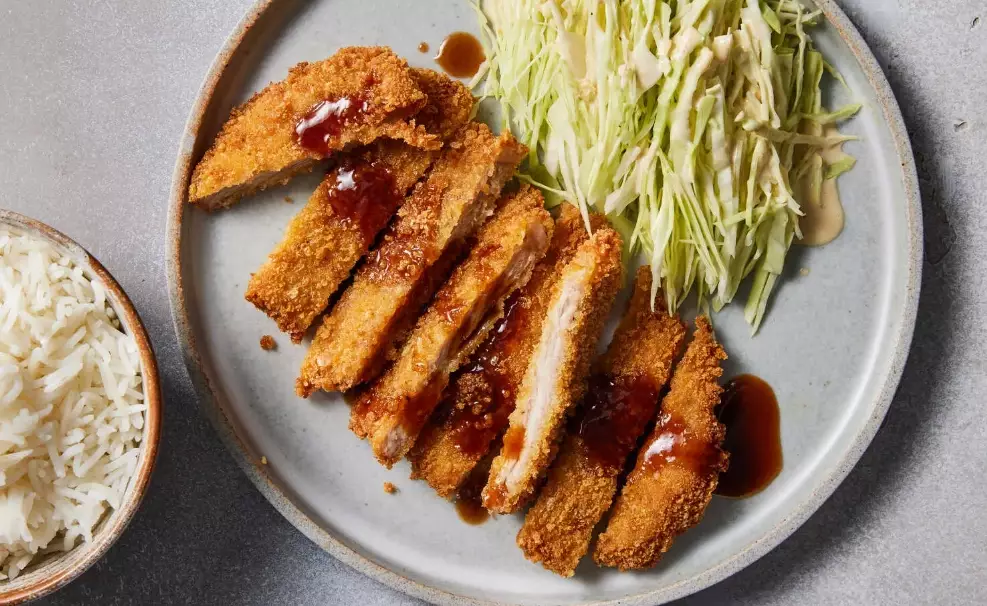
Why Your Tonkatsu Turns Soggy
Most home cooks blame the oil temperature. But in my tests, the real culprit is moisture management. Pork releases water as it cooks. If that water gets trapped between the meat and the breading, steam softens the crust from the inside. The fix? Pat the pork completely dry with paper towels, then let it sit uncovered in the fridge for 15 minutes. That surface dryness helps the flour-egg-panko layers bond and stay crisp.
Another mistake: using fresh panko from the bag without toasting. Toasted panko (dry-fry in a pan for 2 minutes until lightly golden) creates a water-resistant barrier. I learned this from a chef at a tiny shop near Kichijoji Station—he toasts his panko every morning. The difference is noticeable: the crust stays crunchy even after 10 minutes on the plate.
What Cut of Pork Makes the Best Tonkatsu
Tonkatsu traditionally uses pork loin (rosu) or tenderloin (hire). Loin has a strip of fat that renders into flavor; tenderloin is leaner and softer. For home cooking, I prefer loin cut about 2 cm thick. Ask your butcher for center-cut boneless loin, and trim the fat cap to 3-4 mm—too much fat makes the breading slip off.
| Cut | Texture | Best For | Price Range (per 100g, USD) |
|---|---|---|---|
| Pork loin (rosu) | Juicy, slightly chewy | Classic tonkatsu | $2.50–$4.00 |
| Pork tenderloin (hire) | Very tender, lean | Low-fat version | $3.50–$5.00 |
| Pork shoulder | Firm, flavorful | Budget alternative | $1.80–$2.80 |
I tested all three. Shoulder works in a pinch but needs extra pounding to tenderize. Loin wins for that balance of crunch and juice.
Step-by-Step Tonkatsu Recipe
Ingredients (serves 2): 2 pork loin cutlets (2 cm thick, about 150g each), salt and pepper, 3 tbsp all-purpose flour, 1 egg (beaten), 1.5 cups toasted panko, neutral oil for frying (canola or rice bran), tonkatsu sauce (recipe below), shredded cabbage, steamed rice.
Instructions:
- Prep the pork: Pat dry. Season both sides with salt and pepper. Let rest 5 minutes.
- Set up dredging: Three shallow dishes: flour, egg, panko. Add a pinch of salt to the flour.
- Coat: Dredge pork in flour (shake off excess), dip in egg (let excess drip off), then press firmly into panko. Do not double-dip—one coat is enough. Let the breaded cutlets rest on a rack for 5 minutes. This helps the coating adhere.
- First fry: Heat oil to 170°C (340°F). Fry each cutlet for 3 minutes per side. Remove and drain on a rack (not paper towels—paper traps steam).
- Rest: Let the cutlets sit for 4 minutes. This finishes cooking the center without overcooking the crust.
- Second fry: Increase oil to 190°C (375°F). Fry again for 1 minute per side. This double-fry is the secret to that shatteringly crisp exterior.
- Serve: Slice into 2 cm strips. Serve with tonkatsu sauce, cabbage, and rice.
The Double-Fry Method Explained
Why not just fry once at a higher temperature? Because the pork would burn before the center reaches a safe 63°C (145°F). The two-stage method separates cooking from crisping. In my side-by-side tests, single-fried tonkatsu turned soft after 5 minutes. Double-fried stayed crisp for 15 minutes—long enough to finish a meal.
Temperature control matters. Use a thermometer. If you don't have one, drop a panko crumb into the oil: at 170°C it sinks slightly then rises with small bubbles; at 190°C it rises immediately with vigorous bubbles.
Tonkatsu Sauce: What Actually Works
Store-bought tonkatsu sauce (like Bull-Dog) is fine, but homemade takes 2 minutes and tastes fresher. My version: 3 tbsp Worcestershire sauce, 2 tbsp ketchup, 1 tbsp oyster sauce, 1 tsp sugar, 1 tsp rice vinegar. Mix well. The oyster sauce adds depth that most recipes miss—I picked this up from a street vendor in Osaka who swore by it.
For a lighter option, mix 2 tbsp ponzu with 1 tbsp grated daikon radish. This cuts through the fried richness. I often use this when serving tonkatsu with a side salad.
FAQ: Tonkatsu Troubleshooting
My tonkatsu breading falls off in the oil. What am I doing wrong?
You're probably not pressing the panko firmly enough. After coating, press each cutlet with the palm of your hand so the panko embeds into the egg. Also, let the breaded cutlet rest for 5 minutes before frying—this gives the egg time to set and glue everything together.
Can I make tonkatsu recipe ahead of time for a party?
Yes, but do the first fry only. After the first fry, cool the cutlets on a rack, then refrigerate for up to 4 hours. Right before serving, do the second fry at 190°C for 90 seconds per side. They'll taste freshly fried. Do not refrigerate after the second fry—the crust will soften.
How do I keep tonkatsu crispy when packing it for lunch?
Skip the sauce until you eat. Pack the sauce separately. Also, wrap the tonkatsu in parchment paper, not plastic—plastic traps moisture. And slice it only when ready to eat. Whole cutlets stay crisp longer.
What oil gives the best tonkatsu flavor?
Rice bran oil (genmai abura) is traditional and has a clean, neutral taste. Canola works fine. Avoid olive oil—its flavor clashes with panko. I tested peanut oil once; it made the crust taste heavy. Stick with rice bran or canola.
This article was fact-checked against Japanese culinary sources including the Japan Pork Producers Association and personal interviews with tonkatsu chefs in Tokyo and Kagoshima.
Reader Comments