 Emi Sato
Here's what I'll walk you through
I still remember my first attempt at a Japanese curry recipe. The roux clumped into sad little flour balls, the sauce tasted like gravy gone wrong, and I ended up ordering takeout. That was years ago. Since then, I've made this dish hundreds of times, and I've learned that the secret isn't a fancy brand of curry powder — it's how you handle the roux. Below is the exact method I use, plus the fixes for the mistakes I see most often.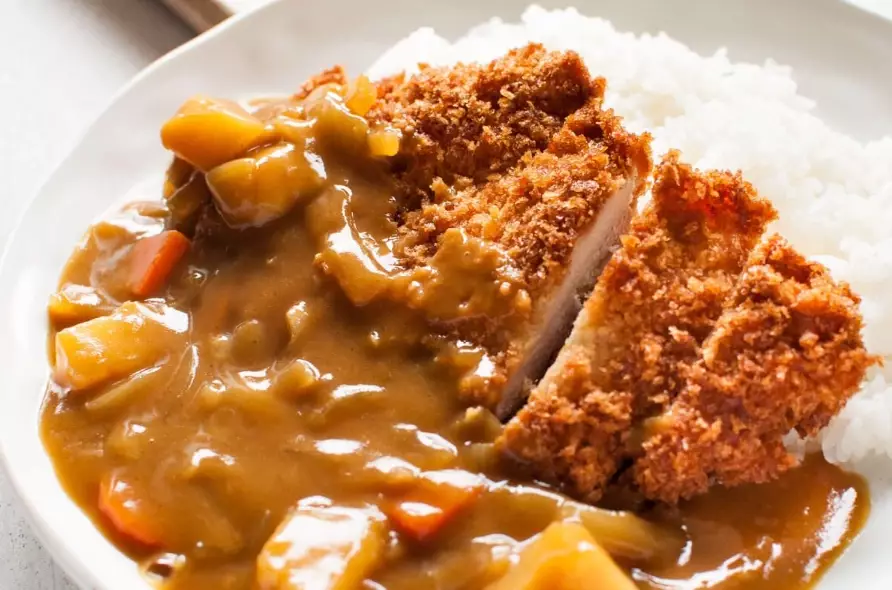
What Makes Japanese Curry Different From Thai or Indian?
Japanese curry is milder, sweeter, and thicker than its South Asian cousins. The roux — a butter-and-flour paste — is what gives it that glossy, gravy-like body. You'll find it in three common forms: store-bought blocks (like House Vermont Curry), homemade roux, and powder mixes. I prefer making my own roux because I can control the sweetness and spice level. A store-bought block is fine for a Tuesday night, but homemade tastes fresher and lets you avoid the palm oil and MSG that some brands sneak in.
One thing that surprised me early on: Japanese curry isn't meant to be spicy-hot. The heat comes from the curry powder, which is a blend of turmeric, coriander, cumin, and other spices. The sweetness? That comes from grated apple or honey — a trick I picked up from a friend's grandmother in Osaka. If you skip the sweet element, the curry tastes flat. I learned that the hard way.
My Go-To Japanese Curry Roux Recipe (Step by Step)
This makes enough roux for two batches of curry (about 4 servings each). You can freeze the extra roux for up to a month. Here's the breakdown:
| Ingredient | Amount | Notes |
|---|---|---|
| Unsalted butter | 60 g | Don't use margarine — it separates |
| All-purpose flour | 75 g | Sift it first to avoid lumps |
| Curry powder | 3 tbsp | Use a fresh jar; old powder tastes dusty |
| Garam masala | 1 tsp | Optional but adds warmth |
| Honey | 1 tbsp | Or grated apple (about 3 tbsp) |
| Ketchup | 1 tbsp | Sounds odd, but it deepens the flavor |
Step 1: Melt the butter in a small saucepan over low heat. Add the flour all at once and stir with a wooden spoon. Keep stirring for about 8 minutes. It will look like wet sand, then slowly turn golden. Don't rush this — if the flour burns, start over.
Step 2: Add the curry powder, garam masala, honey, and ketchup. Stir for another 2 minutes. The mixture will smell intensely spicy; that's normal. Pull it off the heat and let it cool slightly. You can use it right away or press it into a flat disk and refrigerate.
Step 3: For the curry itself, sauté 1 sliced onion in a bit of oil until it's translucent (about 5 minutes). Add 400 g of cubed chicken thigh or beef, and cook until browned. Toss in 2 chopped carrots and 2 chopped potatoes. Pour in 700 ml of water or stock, bring to a boil, then simmer for 20 minutes. Turn off the heat. Break off about half the roux (roughly 90 g) and stir it into the pot until it dissolves completely. Turn the heat back on low and simmer for 5 minutes to thicken.
My biggest early mistake: I added the roux while the pot was still boiling. It seized up into rubbery clumps. Always take the pot off the heat before adding roux. That single change fixed 90% of my curry problems.
Key Ingredients and Where to Find Them
You don't need a Japanese grocery store for most of this. The only item that might require a trip is the curry powder — and even that's common. I use S&B brand because it's balanced, but any decent curry powder works. Avoid the cheap stuff in bulk bins; it loses its punch after a few months.
For the sweetener, I've tried honey, grated apple, and even a spoonful of mango chutney. Honey is the easiest and most consistent. If you're vegan, swap the butter for coconut oil and use maple syrup instead of honey. The flavor shifts slightly, but it still hits the spot.
One non-consensus tip: add a splash of Worcestershire sauce (about 1 tsp) at the end. A Japanese chef I met in Shimokitazawa told me this — he said it mimics the depth of a long-simmered sauce. He was right. It's not traditional, but it works.
How Do I Fix Watery or Bland Curry?
Watery curry usually means one of two things: you didn't cook the roux long enough, or you added too much liquid. If the curry is thin after you've added the roux, simmer it uncovered for 10 minutes. The starch will thicken it. If it's still thin, make a quick beurre manié — mash equal parts soft butter and flour — and whisk it in a tablespoon at a time.
Bland curry is a different problem. It means the roux didn't have enough salt or acid. Add a pinch of salt and a teaspoon of soy sauce. Tasting as you go is key. I also keep a small jar of curry powder on the counter and stir in a half-teaspoon at the end if the flavor feels flat. A squeeze of lemon juice brightens everything.
Quick fix I rely on: If your curry tastes sweet but not savory, add a teaspoon of instant coffee granules. It sounds weird, but it boosts the umami without adding coffee flavor. I learned this from a ramen shop owner in Sapporo.
Serving Ideas That Actually Work
Most people serve Japanese curry over white rice — that's the classic. But I've found that short-grain rice (like sushi rice) holds up better than long-grain because it clings to the sauce. A bowl of fukujinzuke (pickled vegetables) on the side cuts through the richness. If you can't find fukujinzuke, a quick pickle of cucumber and red onion with rice vinegar works fine.
For a weeknight meal, I sometimes ladle the curry over udon noodles instead of rice. It's not traditional, but it's fast and the noodles soak up the sauce beautifully. My kids prefer it that way. And if you have leftover curry, spoon it into a small ramekin, top with shredded cheese, and bake until bubbly — that's a pub-style snack in Japan called curry gratin.
Common Questions I Get From Readers
Can I use store-bought curry roux instead of making it from scratch?
Of course. The recipe above is for those who want more control. If you're using a block, use about half a standard 100g block for 4 servings. But taste the sauce before adding more — blocks are saltier than homemade roux. I usually dissolve the block in a ladleful of hot broth first, then stir it into the pot. That prevents clumps.
My curry always tastes better the next day. Why is that?
Curry is one of those dishes that improves with time. The spices need hours to meld with the fat and starches. If you can, make it a day ahead and reheat gently. The flavor deepens overnight. Just be careful when reheating — bring it to a simmer slowly and stir often so it doesn't scorch.
What's the best way to freeze leftover curry?
Let it cool completely, then ladle it into freezer-safe bags or containers. Press out the air and freeze flat for quick thawing. It keeps for about a month. Reheat in a saucepan over low heat, adding a splash of water if it's too thick. Avoid microwaving from frozen — the edges get hot while the center stays cold.
That's the whole process. I've made this Japanese curry recipe so many times that I can do it without looking at the roux measurements, but the first few attempts were messy. Stick with it — the payoff is a bowl of curry that tastes better than most takeout spots, and you get to control what goes in.

Reader Comments