 Emi Sato
I’ll be honest — my first batch of homemade soba tasted like wet cardboard. I rinsed it under warm tap water, skipped the ice bath, and dumped in soy sauce straight from the bottle. That’s the classic beginner move, and it’s why so many people think they don’t like soba. The real soba noodles recipe is almost foolproof once you know the two non-negotiables: ice-cold rinsing and a balanced dipping sauce that doesn’t overpower the buckwheat. This recipe covers both cold and hot versions, plus the exact ratios I’ve settled on after years of tweaking.
Quick jump to what you need
- What Is a Soba Noodles Recipe and Why It’s Different
- Ingredients and Tools (No Special Equipment)
- Cold Soba Noodle Recipe: Step-by-Step
- Hot Soba Noodle Recipe for Cold Days
- How to Make Soba Dipping Sauce That Actually Tastes Right
- Common Mistakes and How to Avoid Them
- FAQ: Real Questions from My Kitchen
What Is a Soba Noodles Recipe and Why It’s Different
Soba is thin buckwheat noodles. The key difference from udon or ramen? Buckwheat has almost no gluten, so the dough is fragile and the noodles break easily if you overcook them. Most commercial dried soba blends buckwheat with wheat flour to hold together (look for the percentage on the package — 80% buckwheat is decent, 100% is a rarity that needs careful handling).
In my experience, the biggest misconception is that soba should taste “healthy” and bland. Authentic soba has a nutty, earthy flavor. Your job is to preserve that flavor, not drown it. That means no heavy sauces, no long boiling, and no skipping the rinse. I’ve seen recipes online that tell you to boil soba for 8 minutes. That’s a crime. Dried soba usually needs 4 to 5 minutes, and fresh soba takes 90 seconds.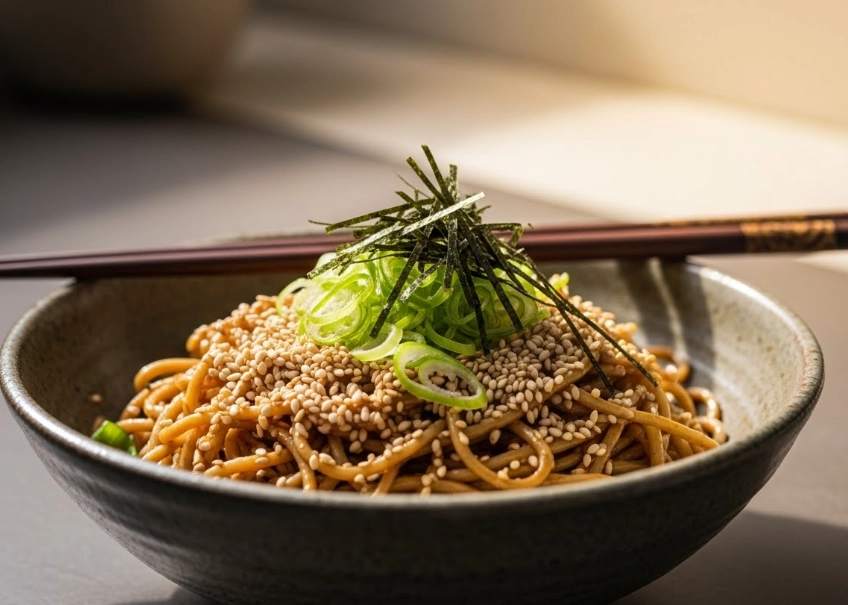
Ingredients and Tools (No Special Equipment)
Here’s what I use for two generous servings. You don’t need a bamboo mat or a special pot.
| Ingredient | Amount | Notes |
|---|---|---|
| Dried soba noodles | 200 g (7 oz) | Look for brands with 70–80% buckwheat; avoid grayish noodles |
| Water | 4 quarts | Plenty of water keeps noodles from sticking |
| Soy sauce | 3 tbsp | Kikkoman or a good Japanese soy sauce — not light soy |
| Mirin | 2 tbsp | Hon-mirin if possible; substitute 1 tbsp sugar + 1 tbsp water |
| Dashi stock | 1/2 cup | Instant dashi powder works fine (1/2 tsp powder + 1/2 cup hot water) |
| Green onions | 2 stalks | Thinly sliced |
| Wasabi | 1 tsp | Freshly grated if you can find it; paste is acceptable |
| Nori strips | 1 sheet | Cut into thin strips |
Tools: A large pot, a colander, a large bowl of ice water (this is critical), and a small saucepan for the dipping sauce.
Cold Soba Noodle Recipe: Step-by-Step
This is my go-to version on hot days. The whole thing takes about 15 minutes.
Step 1: Bring 4 quarts of water to a rolling boil. Don’t add salt — soba doesn’t need it and the dipping sauce provides enough sodium.
Step 2: Drop in the dried soba. Stir gently once to separate the strands. Set a timer for 4 minutes. Start tasting at 3 minutes 30 seconds. The noodles should be tender but still have a slight bite. If they’re mushy, you’ve lost.
Step 3: While the noodles boil, fill a large bowl with ice and cold water. Set aside. This is your ice bath.
Step 4: Drain the noodles in a colander and immediately plunge them into the ice bath. Rub the noodles gently with your hands to remove surface starch. I know it feels weird, but this is the step that makes or breaks the texture. Rinse for 30 seconds, then drain again.
Step 5: Shake off excess water and pile the noodles on a plate or a bamboo mat. Top with nori strips and green onions. Serve with dipping sauce on the side.
Portion tip: 200 g of dried soba is about right for two people as a main course. If you’re serving it as a side, halve the amount.
Hot Soba Noodle Recipe for Cold Days
Hot soba is simpler than cold — no ice bath — but you need to adjust the sauce. For hot, I make a broth with 2 cups of dashi, 2 tbsp soy sauce, and 1 tbsp mirin. Bring it to a simmer.
Cook the noodles the same way (boil 4 minutes, then drain and rinse briefly with hot water to remove starch). Divide noodles into bowls, ladle over the hot broth, and top with green onions and a pinch of shichimi togarashi (Japanese seven-spice).
Don’t skip the rinse even for hot soba. A quick hot rinse removes surface starch without cooling the noodles down too much. But never soak them in hot water.
How to Make Soba Dipping Sauce That Actually Tastes Right
The dipping sauce (tsuyu) is where most recipes go wrong. They either make it too salty or too sweet. Here’s my ratio that I’ve refined over many batches.
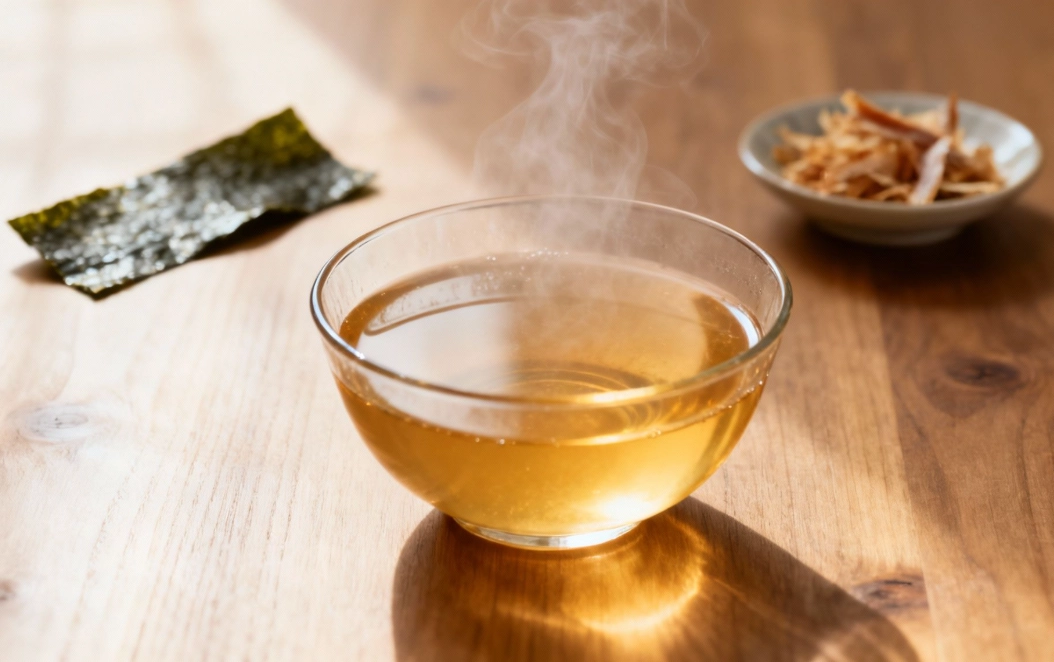
Combine 1/2 cup dashi, 3 tbsp soy sauce, and 2 tbsp mirin in a small saucepan. Bring to a simmer, then remove from heat and let it cool to room temperature. Taste it. If it’s too salty, add a splash of water. If it’s too sweet, add a few drops of soy sauce. The sauce should be savory with a subtle sweetness that doesn’t linger.
For cold soba, chill the sauce in the fridge. For hot soba, use the same ratio but add it directly to the hot broth as above.
| Sauce Ratio (for 2 servings) | Cold Soba | Hot Soba Broth |
|---|---|---|
| Dashi | 1/2 cup | 2 cups |
| Soy sauce | 3 tbsp | 2 tbsp |
| Mirin | 2 tbsp | 1 tbsp |
| Simmer time | 1 minute | 2 minutes |
Common Mistakes and How to Avoid Them
I’ve made every mistake in the book. Here are the ones that still trip people up.
- Overcooking the noodles: Soba goes from perfect to mush in 30 seconds. Set a timer and taste early. Dried soba is usually done at 4 minutes, not 6.
- Skipping the ice bath: As mentioned, warm rinse water makes noodles sticky. Ice bath is non-negotiable for cold soba.
- Using the wrong soy sauce: Light soy sauce is too thin and salty. Regular Japanese soy sauce (koikuchi) has the right depth.
- Making the sauce too far ahead: The dashi flavor fades after a few hours. Mix the sauce within an hour of serving.
- Not tasting the sauce: Different soy sauces have different salt levels. Always taste and adjust.
FAQ: Real Questions from My Kitchen
Why did my soba noodles turn out gummy even after rinsing?
You probably rinsed with warm water. I know it seems harmless, but warm water reactivates the surface starch and makes the noodles stick together. Use a generous bowl of ice water — not just cold tap water — and rub the noodles gently to slough off the starch.
Can I make soba noodles recipe ahead of time for a lunchbox?
Yes, but you need to take an extra step. After the ice bath, drain the noodles well and toss them with a tiny drizzle of sesame oil (1/2 teaspoon per serving) to prevent sticking. Keep the dipping sauce separate and chilled. The noodles keep in the fridge for up to 2 days, but they lose their firmness after day one. This is not a recipe that improves with age.
My dipping sauce tastes flat. What am I missing?
Two things: dashi and mirin. If you’re using plain soy sauce and sugar, you’ll get a harsh, one-dimensional sauce. Dashi provides umami, and mirin adds a gentle sweetness that rounds out the salt. Also, don’t boil the sauce — simmer it just until the alcohol from the mirin cooks off. Over-boiling makes it taste metallic.
Can I use whole wheat spaghetti instead of soba?
You can, but it won’t be soba. The texture and flavor are completely different. Whole wheat spaghetti has a chewier bite and a wheaty taste. If you’re in a pinch, cook spaghetti 1 minute less than the package says and rinse it the same way. But if you want the real thing, buy dried soba — it’s not hard to find.
Reader Comments