 Emi Sato
I still remember my first bowl of real miso soup at a tiny counter in Sapporo. The chef slid it over and said, 'Try it before you add anything.' I did. It tasted like the ocean had whispered into a bowl of hot water. That was my introduction to dashi—the broth that makes Japanese food taste like Japanese food. If you've ever wondered what is dashi, you're holding the right question. It's not just a stock. It's the backbone of umami.
What I'll cover in this kitchen deep-dive
What Is Dashi, Actually? (The Short Answer)
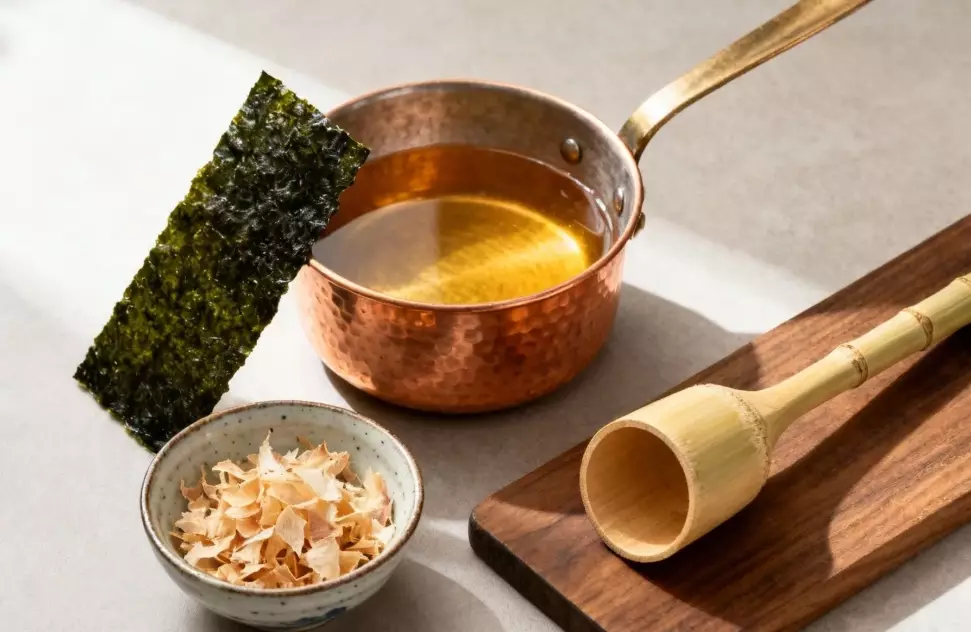
Dashi is a Japanese soup stock. But calling it 'stock' undersells it. You make it by steeping umami-rich ingredients—usually dried kelp (kombu) and dried bonito flakes (katsuobushi)—in water. Sometimes you add dried shiitake or small dried sardines. The liquid you get is clear, savory, and slightly smoky. It's the base for miso soup, noodle broths, simmered dishes, and even some salad dressings.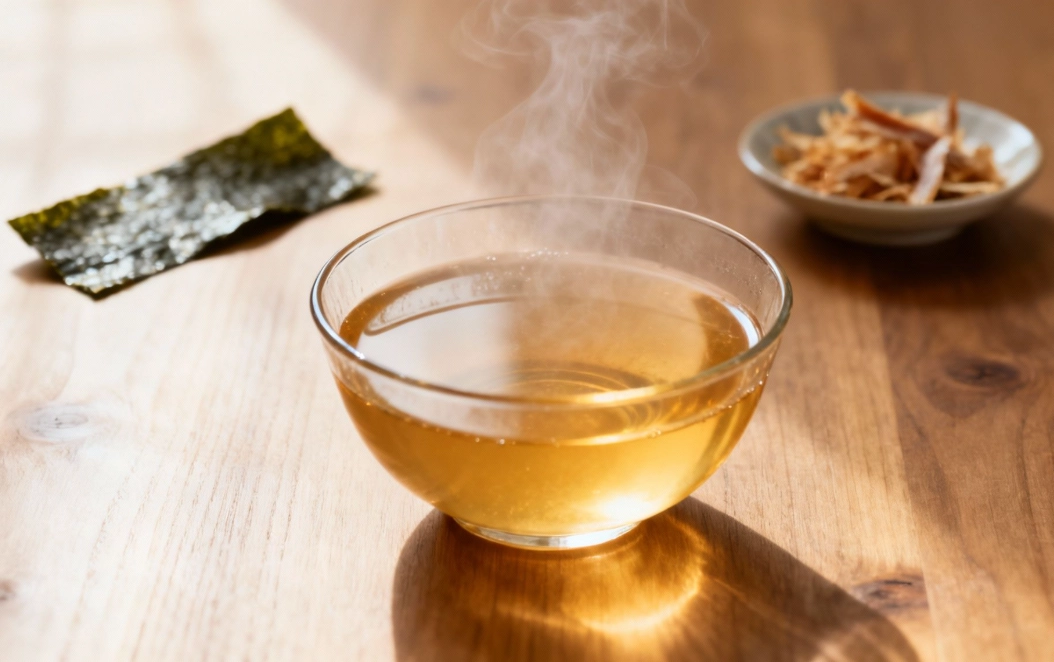
Here's the part that surprises people: dashi takes about 15 minutes to make from scratch. No hours of simmering. No bones. I've made it on a Tuesday night after work, and it felt almost too easy. That's because dashi relies on extraction, not long cooking. Kombu releases glutamates in cold water. Katsuobushi releases inosinate the moment it hits hot water. Put them together, and you get an umami synergy that's hard to fake.
The Main Types of Dashi (and Which One to Use)
Walk into any Japanese grocery store and you'll see boxes and bags labeled 'dashi.' Some are powder. Some are tea bags. Some are liquid concentrate. But the real deal starts with these core types:
| Type | What's in it | Flavor profile | Best for |
|---|---|---|---|
| Awase dashi | Kombu + katsuobushi | Balanced, smoky, deep umami | Miso soup, noodle broths, general use |
| Kombu dashi | Kombu only | Clean, slightly sweet, vegetarian | Vegan dishes, light soups, dipping sauces |
| Katsuo dashi | Katsuobushi only | Smoky, fish-forward, assertive | Stronger soups, ramen, somen noodle sauce |
| Shiitake dashi | Dried shiitake mushrooms | Earthy, sweet, vegan-friendly | Vegetarian broths, mushroom dishes |
| Niboshi dashi | Dried baby sardines | Intense fish flavor, slightly bitter | Miso soup in some regions, ramen |
I keep two types in my pantry: awase dashi for everyday cooking, and kombu dashi for when I want a vegan version. The kombu dashi gets used more than I expected. It's a great way to add depth to vegetable soups without any fishiness.
One thing I've noticed: powdered dashi granules are convenient, but they often contain MSG and added salt. That's fine if you're in a rush, but the flavor is flatter. If you want the real taste, make it from scratch. It's not a weekend project.
How to Make Dashi at Home (Step-by-Step)
This is the method I use almost every week. It's for awase dashi—the kombu and katsuobushi combo. You'll need a pot, a strainer, and about 15 minutes.
What you need (for about 4 cups of dashi)
- 1 liter (4 cups) cold water
- 10 grams (about 1 large piece) dried kombu
- 15 grams (about 2 cups, loosely packed) katsuobushi flakes
Step 1: Soak the kombu in cold water
Put the kombu in the water and let it sit for at least 30 minutes. I often do this in the morning and leave it in the fridge until I'm ready to cook. If you're short on time, 15 minutes works—but the longer soak gives a rounder flavor.
Step 2: Heat gently
Put the pot on medium heat. When you start seeing tiny bubbles clinging to the kombu and the water is about to simmer (around 60°C / 140°F), remove the kombu. Do not let it boil. I keep a pair of tongs nearby and pull it out quickly.
Step 3: Add katsuobushi and turn off the heat
Once the kombu is out, bring the water to a full boil. Turn off the heat, then add the katsuobushi flakes. Let them steep for 2–3 minutes. They'll sink to the bottom.
Step 4: Strain
Line a fine-mesh strainer with a paper towel or cheesecloth. Pour the dashi through it. Don't squeeze the flakes—just let the liquid drip. Squeezing makes the broth cloudy and bitter.
You now have dashi. Use it immediately, or store it in the fridge for up to 3 days. I freeze leftover dashi in ice cube trays. Each cube is about 2 tablespoons—perfect for adding to a single serving of soup.
Mistakes I See Even Experienced Cooks Make
I've taught a few friends how to make dashi, and the same issues pop up. Here are the ones that matter most.
Boiling kombu. I mentioned this earlier, but it's worth repeating. Boiling kombu extracts bitter compounds and makes the broth slimy. If you see the water bubbling vigorously, turn the heat down immediately.
Using old katsuobushi. Katsuobushi loses its punch after a few months. If your dashi tastes flat, check the expiration date. I buy small bags and keep them in the freezer to preserve flavor.
Straining too hard. Pressing the katsuobushi flakes releases fine particles that make the broth cloudy. A gentle drip is all you need.
Assuming all dashi is fishy. Kombu dashi has zero fish flavor. It's a great option for people who don't like fish but want umami. I've served kombu dashi to skeptical friends, and they couldn't tell it was vegan.
Quick Answers to Real Dashi Questions
Making dashi is one of those small kitchen habits that changes how you cook. It's not fancy. It's not time-consuming. But once you taste a soup made with real dashi, the powdered stuff starts to feel like a compromise. I keep a jar of kombu in my pantry and a bag of katsuobushi in the freezer. That's all it takes. Give it a try on a quiet evening—you'll be surprised how much flavor comes from just two ingredients and water.
Fact-checked against traditional Japanese cooking references and my own repeated kitchen tests.


Reader Comments