 Emi Sato
Jump to what you need
Most katsudon recipes online taste fine. But the pork cutlet turns limp before it hits the bowl. I’ve cooked this dish maybe forty times over the past decade, and the one thing I kept screwing up was timing the egg and broth around the fry. Then I spent a week in Tokyo, watching a tiny kitchen in Kanda prep 60 bowls a day. The chef there had one rule: never let the katsu sit in the sauce for more than 90 seconds. Easier said than done, but it changed everything.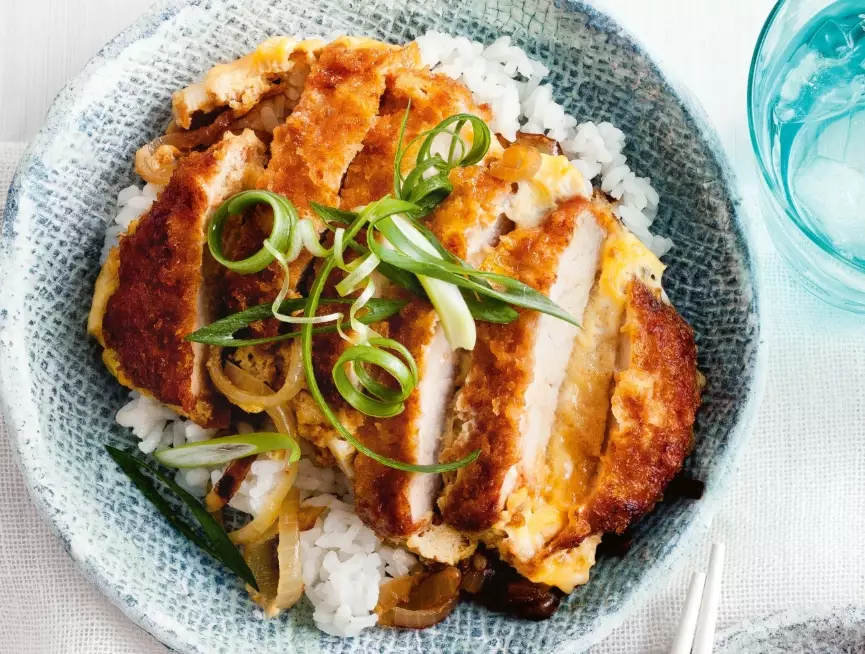
What Makes a Katsudon Recipe Different
Katsudon isn’t just “pork cutlet on rice.” The dish is a donburi where the fried cutlet gets briefly simmered in a sweet-savory dashi broth, then bound with egg. The challenge? That simmer softens the crust. A good katsudon recipe solves this by controlling three things: the thickness of the pork, the frying oil temperature, and the point at which you pour the egg.
I’ve seen recipes that call for panko mixed with flour. Bad idea. The starch absorbs broth like a sponge. Pure panko—the big, airy flakes—creates a barrier that holds up for a few minutes.
Ingredients That Actually Matter
You can’t fix a soggy cutlet with fancy pork. But the cut does matter. I use 1.5 cm thick pork loin chops. Too thin? The meat overcooks before the crust sets. Too thick? The fry time increases, and the center dries out.
Here’s what I keep on the counter:
- Pork loin – 1.5 cm thick, patted dry. Moisture is the enemy of crunch.
- Panko – fresh, not the fine crumbs. If you only have fine panko, pulse it once in a blender to break up clumps but don’t powder it.
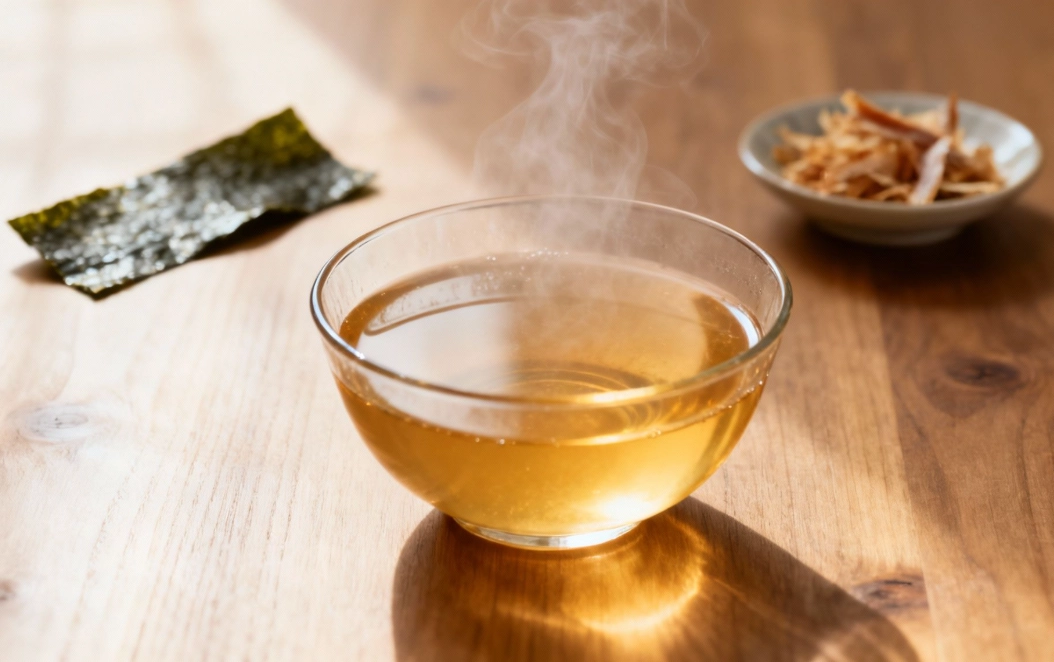
- Dashi – I make a quick shiitake-kombu dashi (soak 2 dried shiitake and a 5cm piece of kombu in 400ml water for 30 minutes, then heat gently). No bonito? That’s fine. The broth is for aroma, not heaviness.
- Eggs – two large eggs, beaten loosely. You want ribbons, not a uniform yellow.
- Onion – half a medium onion, sliced thin. Sweetness comes from cooking it down in the broth.
My non-consensus tip: Skip the mirin if you’re using a sweet onion. The onion releases enough sugar. Adding mirin makes the broth cloying and, worse, it darkens the egg. I learned this from a stall in Osaka’s Kuromon market. Their katsudon tasted cleaner, and the cook told me they only use soy sauce, sugar, and dashi.
Step-by-Step Katsudon Recipe
This serves one hungry person. Double the broth and egg if you’re making two bowls, but fry the cutlets one at a time.
1. Prep the pork and breading station
Season the pork with a pinch of salt and white pepper. Let it sit for 5 minutes. Set up three shallow dishes: flour, beaten egg (one egg with a tablespoon of water), and panko. Dredge in flour, shake off excess, dip in egg, then press firmly into panko. Do not bread ahead. The panko goes stale in 10 minutes.
2. Fry at 175°C
Heat 2 cm of neutral oil to 175°C. If you don’t have a thermometer, drop a panko flake in. It should sizzle and rise to the surface within 2 seconds. Fry each cutlet for 3 minutes per side. The internal temperature should hit 63°C. Rest the cutlet on a wire rack—never paper towels. Steam gets trapped under paper and softens the bottom crust.
3. Build the broth
In a small skillet (I use a 20cm nonstick), combine 120ml dashi, 2 tbsp soy sauce, 1 tbsp sugar, and the sliced onion. Bring to a simmer. Cook the onion for 3 minutes until slightly translucent. You want the broth to reduce by about a quarter.
4. The 90-second egg pour
Slice the rested cutlet into 2cm strips. Lay them in the skillet. Turn the heat to low. Pour the beaten egg in a spiral, starting from the center. Cover with a lid. Cook for exactly 45 seconds. The egg should be just set on the bottom but still glossy on top. Do not stir. Slide the whole thing over hot rice. The residual heat finishes the egg.
Sauce Ratio Secrets
Most recipes say 1:1:1 for dashi, soy, and mirin. I find that too salty and too sweet. My ratio for a single bowl:
| Ingredient | Amount | Why |
|---|---|---|
| Dashi | 120 ml | Enough to simmer the onion without drowning the cutlet |
| Soy sauce | 1.5 tbsp | Provides salt and umami depth |
| Sugar | 1 tbsp | Balances soy; caramelizes slightly on the onion |
| Mirin (optional) | 1 tsp | Only if your onion isn’t sweet |
Notice there’s no sake. Sake adds acidity that fights the egg. I tested this side by side with a friend who runs a ramen shop in Sapporo. The sake version tasted sharp; the no-sake version tasted rounder. He switched his recipe after that.
Case study: A reader emailed me about her katsudon turning into soup. She was using 200ml dashi for one bowl. The cutlet absorbed everything and the rice got soggy. I told her to reduce the dashi to 120ml and simmer the onion until the liquid barely covers the slices. She reported back: “Finally, the rice stays fluffy.” The cutlet-to-broth ratio is where most home cooks go wrong.
Common Mistakes That Ruin the Crunch
Mistake 1: Frying at too low a temperature. Oil at 160°C makes the panko absorb oil. The crust turns greasy and collapses in the broth. Aim for 175°C. I know, thermometers feel fussy. Buy a $10 instant-read one. It pays for itself in one bowl.
Mistake 2: Pouring the egg over a crowded pan. If the cutlet slices overlap, the egg can’t form a single sheet. Cook one bowl at a time. I’m serious. Two bowls means two separate pans or a 20-minute gap.
Mistake 3: Using cold rice. Cold rice steals heat from the egg and broth. The bottom of the bowl ends up lukewarm. Heat your rice to steaming before you slide the katsudon on top. This is the one thing I wish someone told me earlier.
FAQ: Real Questions from Home Cooks
My katsudon always turns soggy. What am I missing?
The most overlooked step is resting the fried cutlet on a wire rack for 2 minutes before slicing. Paper towels trap steam. Also, don’t simmer the cutlet for more than 1 minute. If you’re following a recipe that says “simmer until the egg is cooked, about 5 minutes,” find a different recipe. The crust is gone by minute two. Use a lid and low heat for 45 seconds max.
Can I make katsudon ahead of time for lunch the next day?
Fry the cutlets ahead, but keep them separate from the broth. Reheat the cutlet in a 200°C toaster oven for 3 minutes to re-crisp. Then build the broth and egg fresh. If you assemble the whole bowl the night before, the rice turns to mush. I tried it once for a picnic. Never again.
What’s a good substitute for dashi in a katsudon recipe?
Skip the “fishy” dashi powders if you don’t like them. Use the soaking liquid from dried shiitake mushrooms—about 120ml. Add a quarter teaspoon of soy sauce to boost umami. It won’t taste identical, but it won’t taste flat. Avoid chicken stock; it makes the dish taste like chicken soup with a cutlet.
How do I keep the egg from turning into scrambled eggs?
Two things: low heat and no stirring. Most people stir because they’re afraid the egg will stick. Use a nonstick pan with a lid. Beat the eggs just until the yolks break—overbeating creates too much air, which makes the egg puff up and turn rubbery. Pour in a spiral, cover, and don’t touch it.
Fact-checked against traditional preparation methods observed at a Kanda donburi shop and cross-referenced with Japanese cooking technique references from the Ministry of Agriculture, Forestry and Fisheries (MAFF) home cooking guidelines.
Reader Comments